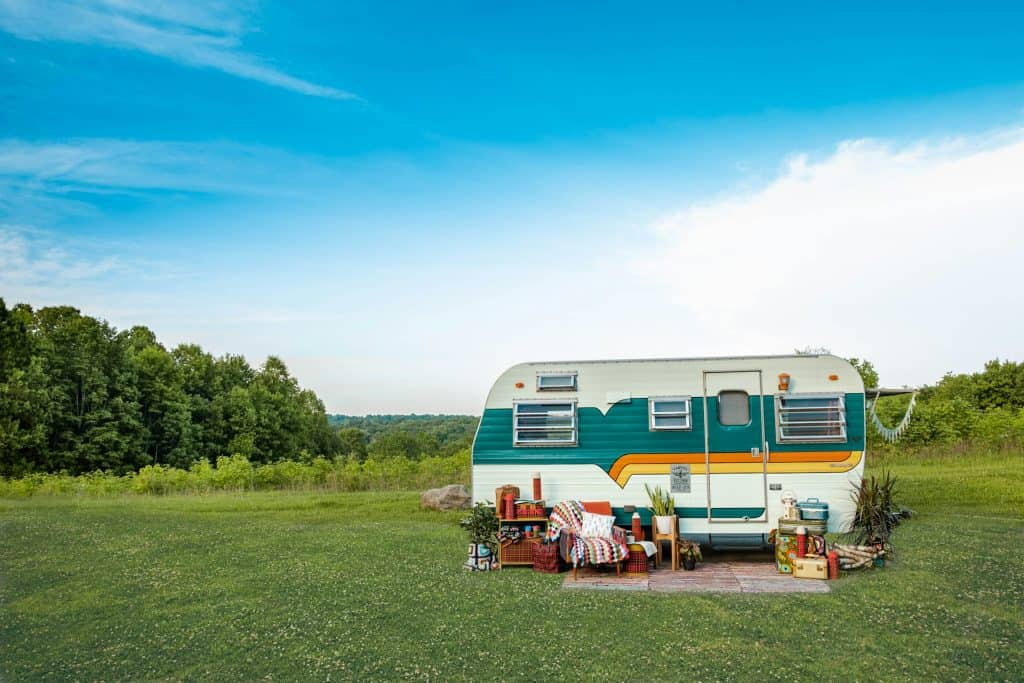
An RV gives your family a private home base while keeping you close enough for dinners, celebrations, and everyday visits. The best stop supports your normal routine without making relatives feel responsible for hosting you around the clock. Before booking, compare the practical details that shape each day, including driving time, site size, utility connections, and quiet hours.
Balancing Hospitality and Personal Space
Talk with your relatives about the visit before selecting a campground. Ask which days they’re free, when they usually eat, and how much time they expect to spend together. This prevents a packed schedule from exhausting everyone.
Your RV can also give the household valuable breathing room. Children can follow their regular bedtime routine while adults get a quiet place to recharge. A campground with picnic tables or shared outdoor space may provide another spot for relaxed family time.
Matching Camp Amenities to Daily Needs
Make a short list of facilities your family will use every day. Reliable utility connections, clean restrooms, and showers can simplify longer visits. Laundry facilities matter when you’re staying for a week or more, while a dog park can make daily exercise easier for travelers with pets.
Look beyond the amenity list and check operating details. A laundry room with limited hours may not suit a busy family schedule, for example. Travelers comparing RV parks in Copperas Cove, TX can consider sites with practical facilities such as showers, restrooms, laundry, and a picnic pavilion. Confirm site dimensions as well, including space for slide-outs and your vehicle.
Scouting Locations Near Loved Ones
Measure the drive between the campground and your family’s home during the hours you’ll actually travel. A location that appears close on a map may involve slow roads or frequent congestion. For most visits, a 10- to 20-minute drive keeps spontaneous plans manageable without placing you directly in the middle of household activity.
Check the route to grocery stores, pharmacies, and fuel stations too. Having basic services nearby means relatives won’t need to handle every errand. A practical RV park guide can help you compare access, site conditions, and campground rules. If possible, review satellite images to spot narrow entrances or difficult turns before arrival.
Making Advance Reservations
Reserve early when your trip overlaps with school vacations, holidays, graduations, or major community events. Popular campgrounds may fill several weeks or months ahead, especially when families want adjoining sites. Call the property if the online booking system doesn’t answer questions about RV length, extra vehicles, or late arrival.
Before paying, read the cancellation policy and confirm the full cost. Ask whether the rate includes utilities, internet access, and use of shared facilities. Give the campground your RV’s exact length, including any rear attachments. If relatives are joining you at the site, verify visitor rules, parking arrangements, and quiet hours so nobody encounters an unexpected restriction.
Keeping Extended Stays Comfortable
Set up the RV for daily living instead of treating the whole visit like a weekend getaway. Establish places for shoes, laundry, and children’s belongings before clutter starts to build. A small outdoor mat can keep dirt out, while labeled storage bins make frequently used items easier to find.
Leave a little open time in the family calendar. A quiet morning at the campground can help children reset and give everyone energy for the next gathering. For stays longer than a week, plan regular grocery runs and laundry days. Keep an eye on utility connections, tire condition, and weather forecasts so minor maintenance needs don’t interrupt family plans.
The best reservation is one that lets you say yes to dinner while still giving everyone a comfortable place to end the day. Confirm the driving route, visitor policy, and site measurements before submitting payment, then share your campground address and arrival time with the family.

About Peter C.
Peter is a digital nomad who largely writes from Asia, Europe, and South America. Always following the "vibe," he sets up shop in hostels and AirBNB's and continues to entertain us with wild stories from life abroad. Ask him anything in our community forum. Make sure to download the AllWorld Travel Hacks FREE ebook.