
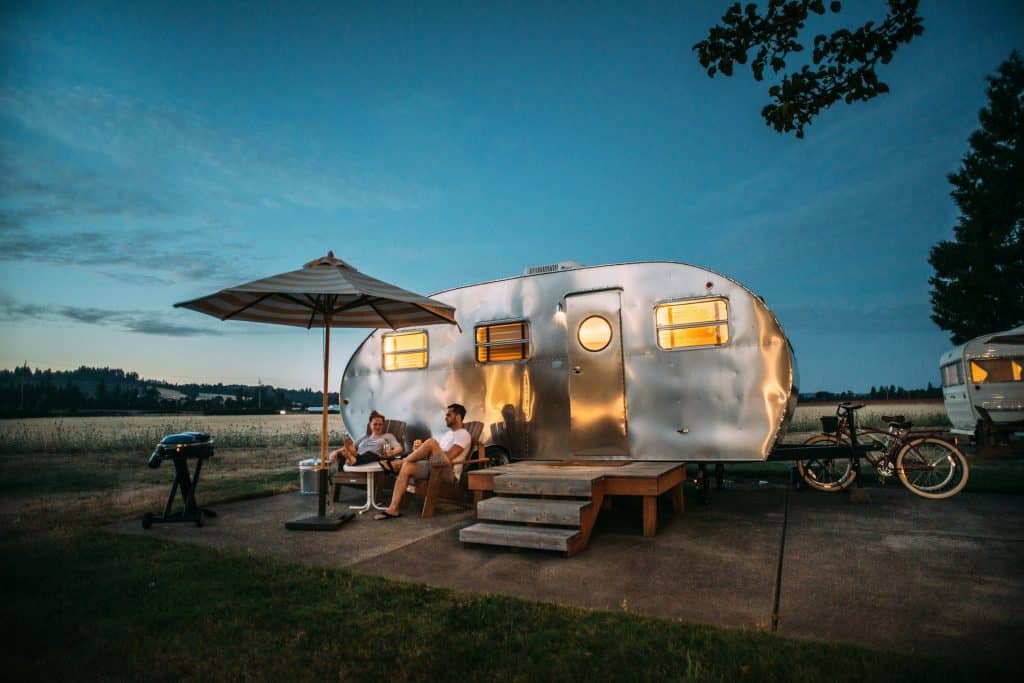
Camping becomes more enjoyable for a mixed group when everyone has a comfortable place to sleep, wash up, and recharge. Some travelers love spending every possible minute outdoors, while others want a real bed and a private bathroom at the end of the day. Those preferences can coexist. Lodging that combines access to nature with familiar comforts lets families and friends enjoy the same destination without expecting every person to camp in the same way.
Balancing Privacy and Togetherness
A successful group trip needs shared time and room to step away. Family camping trips can create more space for rest and connection than tightly scheduled vacations, but constant togetherness may still become tiring. Separate bedrooms, private bathrooms, or a mix of cabins and RV sites can help everyone maintain a comfortable routine.
Plan one or two group activities each day, such as breakfast outside or an afternoon hike. Leave the rest of the schedule flexible. Grandparents might relax at the cabin while younger travelers explore a nearby trail. Couples can have a quiet evening without leaving the group entirely. This balance keeps shared meals and outings enjoyable because no one feels obligated to participate in every activity.
Accommodating Different Travel Styles
Start by asking each person what they need for a good night’s sleep. One traveler may be happy in an RV, while another needs a temperature-controlled bedroom and easy bathroom access. Families with small children may also value a kitchen, laundry facilities, and enough space to maintain bedtime routines.
Destinations offering several lodging types make those differences easier to manage. Travelers comparing RV parks can consider properties with full-hookup RV sites as well as two- and three-bedroom cabins. This type of setup lets RV owners use their own space while relatives stay nearby in a furnished cabin. Before booking, confirm how close the accommodations are to one another and whether the common areas can handle the full group.
Essential Amenities for Mixed Groups
Focus on amenities that remove everyday friction. A full kitchen makes breakfast simpler and lets travelers accommodate allergies or picky eaters without searching for a restaurant at every meal. In-unit laundry helps families pack fewer clothes, while private bathrooms make mornings easier for children, older adults and anyone who values personal space.
Reliable electric service, water, and sewer connections matter for RV travelers. Cabin guests should check the number of beds, bedroom layout, and kitchen equipment. Also look at parking, outdoor seating, and distance to shared gathering areas. Camping can support stronger social connections, especially when a group has an inviting place to eat and talk. A picnic table or porch may end up being the most-used feature of the stay.
Selecting Lodging with Diverse Stays
Compare lodging based on the group’s daily routine, not only the nightly price. A cheaper cabin farther from the RV sites could create extra driving and make casual gatherings difficult. Paying a bit more for nearby accommodations may save time and keep the trip feeling connected.
Ask the property for a map before making reservations. Check road conditions inside the grounds, and access to restrooms or laundry. Travelers with limited mobility may need level paths and parking close to the door. Families should also review check-in times, quiet hours, and cancellation terms.
Once the basics are covered, consider the destination itself. Nearby trails, scenic drives, and family attractions give people several ways to spend the day. The best choice leaves room for separate plans while making it easy to reunite for dinner under the same sky.
A mixed group doesn’t need identical accommodations to share a memorable camping trip. Reserve the cabin, RV site, or combination that suits each traveler, then choose one dependable gathering spot where everyone knows to meet at the end of the day.

About Peter C.
Peter is a digital nomad who largely writes from Asia, Europe, and South America. Always following the "vibe," he sets up shop in hostels and AirBNB's and continues to entertain us with wild stories from life abroad. Ask him anything in our community forum. Make sure to download the AllWorld Travel Hacks FREE ebook.


