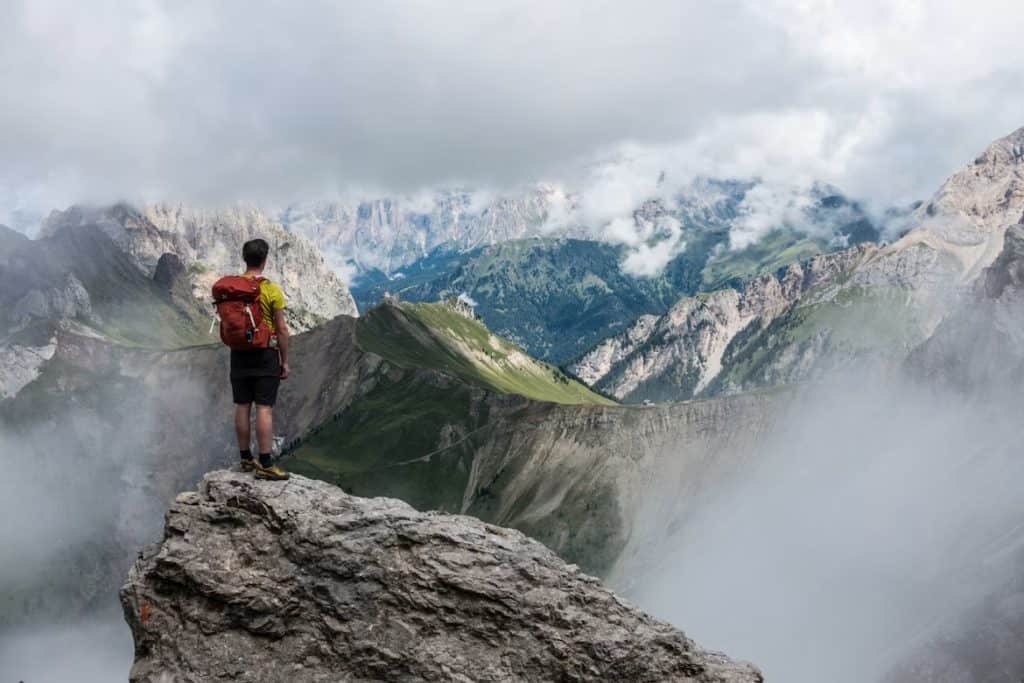
Travelers increasingly want vacations that leave them with a sense of progress, a memorable story and a closer connection to the place they visited. Resort stays still have their appeal, especially for rest, but changing travel preferences show growing interest in experiences built around activities and shared time.
Hiking, cycling and other outdoor adventures turn the destination into part of the day’s challenge. The result is a trip that feels purposeful without losing the pleasures of good food, comfortable accommodations and unhurried evenings.
Beyond the Standard Beach Lounger
Active vacations replace passive days with a loose rhythm: move in the morning, explore through the afternoon and recover over dinner. That could mean walking between villages, cycling a mountain road or paddling along a quiet coastline. Each activity reveals details you might miss from a shuttle or tour bus.
This shift also works well for families and mixed-age groups. Recent multigenerational travel trends highlight the value travelers place on shared experiences. A group doesn’t need identical abilities, either. One person might take a longer trail while another chooses a shorter route before everyone meets for lunch.
Finding Meaning Through Physical Milestones
A physical milestone gives a vacation a clear narrative. Reaching a mountain pass after hours of climbing creates a stronger memory than simply arriving there by vehicle. The achievement also becomes tied to the weather, scenery and people who shared the effort.
Experienced riders may build an entire cycling holiday around famous Italian climbs such as the Stelvio, Gavia and Sella Ronda. Guided itineraries can handle routes, accommodations and local logistics, leaving riders to focus on pacing and recovery. Choose an objective that matches your current ability, then train for the specific demands. Long climbs require steady endurance, while consecutive active days call for disciplined effort instead of one heroic push.
What Makes High-Altitude Travel Worthwhile
High-altitude destinations offer dramatic views, cooler conditions and an immediate sense of scale. Mountain roads and trails often connect small communities, regional kitchens and landscapes that change noticeably as you gain elevation. The effort slows you down enough to notice those transitions.
Altitude also deserves respect. Allow time to adjust, drink regularly and keep your first day easier than the itinerary’s hardest stage. Weather can change quickly, so carry a light insulating layer and rain protection even when the morning looks clear. If you develop troubling symptoms, stop ascending and seek appropriate help. A demanding route should feel challenging, but your schedule must leave room to shorten a day when conditions or energy levels change.
Balancing Exertion with Local Indulgence
Movement makes rest feel earned, yet recovery is also part of the experience. A long ride or hike pairs naturally with a relaxed meal featuring regional dishes, followed by an early night in a comfortable hotel. These quieter hours create space for conversation and help the group process what happened during the day.
Avoid scheduling every evening down to the minute. After six hours outdoors, you may prefer a simple nearby restaurant over a reservation that requires more travel. Look for itineraries with time to shower, stretch and settle in before dinner. One lighter day in the middle of a weeklong trip can also preserve energy for the final major climb or trail.
Planning for Demanding Days Away
Start with an honest assessment of your fitness and recent experience. A traveler who comfortably cycles for three hours at home may still need preparation for repeated mountain days. Build volume gradually, test the clothing you’ll use and practice eating during longer outings. Equipment should be familiar before departure.
Review daily distance, elevation gain, terrain and available support as separate factors. Ten steep miles can demand more than 30 flat ones. If hiking is your focus, this account of the Appalachian Trail through the Smokies shows how elevation, weather and resupply considerations shape a challenging route.
Leave some flexibility around the hardest day. When the morning arrives, you’ll be ready to enjoy the climb instead of wondering whether your shoes, pacing plan or rain layer can handle it. The best active vacations end with tired legs, a good meal waiting and one particular summit or trail bend that stays vivid long after the flight home.

About Peter C.
Peter is a digital nomad who largely writes from Asia, Europe, and South America. Always following the "vibe," he sets up shop in hostels and AirBNB's and continues to entertain us with wild stories from life abroad. Ask him anything in our community forum. Make sure to download the AllWorld Travel Hacks FREE ebook.