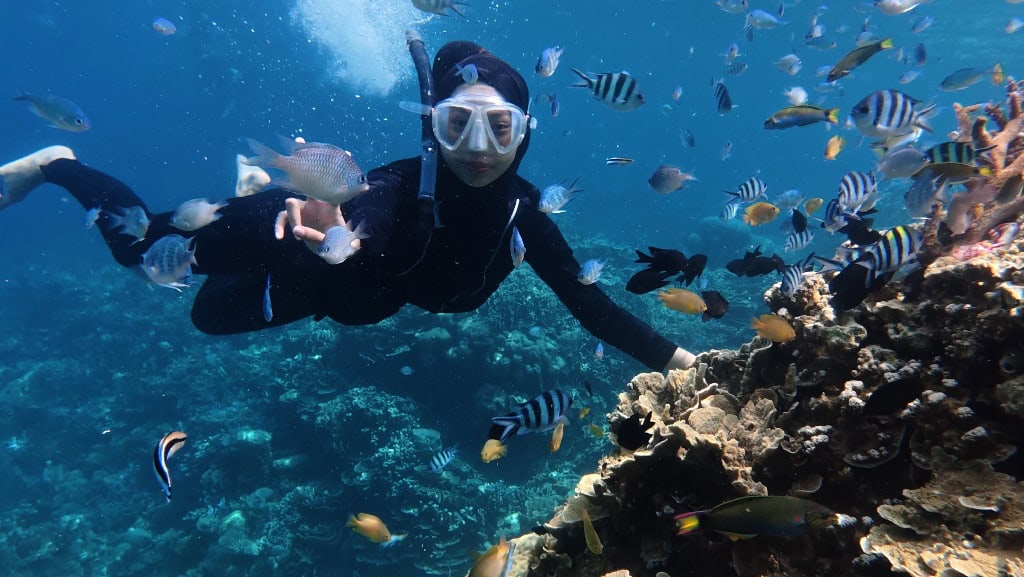
Liveaboard trips can offer non-divers far more than a place to wait while others explore the water. Many vessels now welcome snorkelers with guided outings, island visits, and itineraries built around shallow marine environments. You get direct access to remote coastlines without changing hotels or arranging daily boat transfers.
The experience works best for travelers who enjoy being on the water, can handle a structured schedule, and value nature over nightlife. The charter’s itinerary and level of support matter, so ask detailed questions before booking.
The Evolution of Marine Expeditions
Early liveaboard itineraries often focused heavily on certified divers, leaving non-diving companions with limited activities. The market has broadened as operators have recognized demand from snorkelers, wildlife enthusiasts, and couples with different interests. Some vessels now carry snorkeling guides, provide appropriately sized flotation aids, and schedule excursions around calm conditions.
Still, experiences vary widely. Discussions about non-diving companions show why travelers should ask how many guided snorkeling sessions occur each day. Confirm whether excursions use a tender, if island landings are included, and how plans change when currents are strong. A boat that merely permits snorkeling may feel very different from one designed around it.
Shallow Reefs Offer Equal Wonder
Many memorable marine encounters happen close to the surface, where sunlight brings out the color of coral gardens. In clear tropical water, snorkelers may see reef fish, sea turtles, and rays without special training or heavy equipment. Mangrove edges and sheltered lagoons can also support rich ecosystems that deeper itineraries might pass by.
Choose a trip that treats these areas as primary destinations. The Wisesa Liveaboard Snorkeling Cruise offers itineraries focused on snorkeling and exploration in Raja Ampat, with guided sessions and excursions to islands and local communities. Before reserving, ask about typical swim distances, entry methods, current conditions, and the guide-to-guest ratio. These details help you judge whether the itinerary and level of support suit your swimming ability and comfort in open water.
Life Aboard a Dedicated Vessel
A liveaboard creates a steady daily rhythm. Breakfast may be followed by a morning snorkeling session, lunch and rest, then another outing later in the day. Evenings tend to be quiet, with meals, briefings, and time to review photos. Cabins can be compact and internet access may be limited, so comfort depends partly on your expectations.
Life at sea also requires flexibility. Weather, tides and currents can change the plan with little notice. Travelers prone to motion sickness should speak with a healthcare professional before departure and consider booking a central, lower-level cabin if available. Ask about shared bathrooms, electrical outlets, freshwater limits, and meal accommodations before paying a deposit.
Where Snorkelers Get Dedicated Charters
Indonesia is a leading choice because its island groups combine warm water, high biodiversity, and remote sites best reached by boat. Raja Ampat is especially well suited to travelers who want days centered on coral reefs and small islands. Other destinations may offer mixed charters, but the daily schedule could still prioritize other guests.
Request a sample itinerary and ask how many outings are planned specifically for snorkelers. You should also confirm whether guides enter the water, what happens if only one guest wants to snorkel, and whether beginner-friendly sites appear throughout the trip.
Essential Packing for Extended Days at Sea
Pack for repeated sun, salt and water exposure. Bring a long-sleeved rash guard, reef-conscious sun protection, a secure hat and polarized sunglasses. Two swimsuits allow one to dry while you wear the other. A lightweight dry bag protects a phone or camera during tender rides, while reusable water bottles reduce disposable plastic.
A longer trip at sea also calls for a little planning beyond snorkeling equipment and swimwear. This cruise packing checklist covers practical essentials such as travel documents, medication, sun protection, and items that make time aboard more comfortable.
Personal snorkeling equipment can improve comfort, especially if you already own a mask that seals well. Confirm what the vessel supplies before carrying fins across multiple flights. Include seasickness remedies approved by your healthcare provider, any prescription medication, and spare contact lenses if needed.
A liveaboard suits non-divers who are happy with simple cabins, early starts and long stretches surrounded by water. Before committing, review the sample schedule and check that guided snorkeling appears as a daily priority. That one detail often separates an engaging marine expedition from a week spent watching activities from the deck.

About Peter C.
Peter is a digital nomad who largely writes from Asia, Europe, and South America. Always following the "vibe," he sets up shop in hostels and AirBNB's and continues to entertain us with wild stories from life abroad. Ask him anything in our community forum. Make sure to download the AllWorld Travel Hacks FREE ebook.