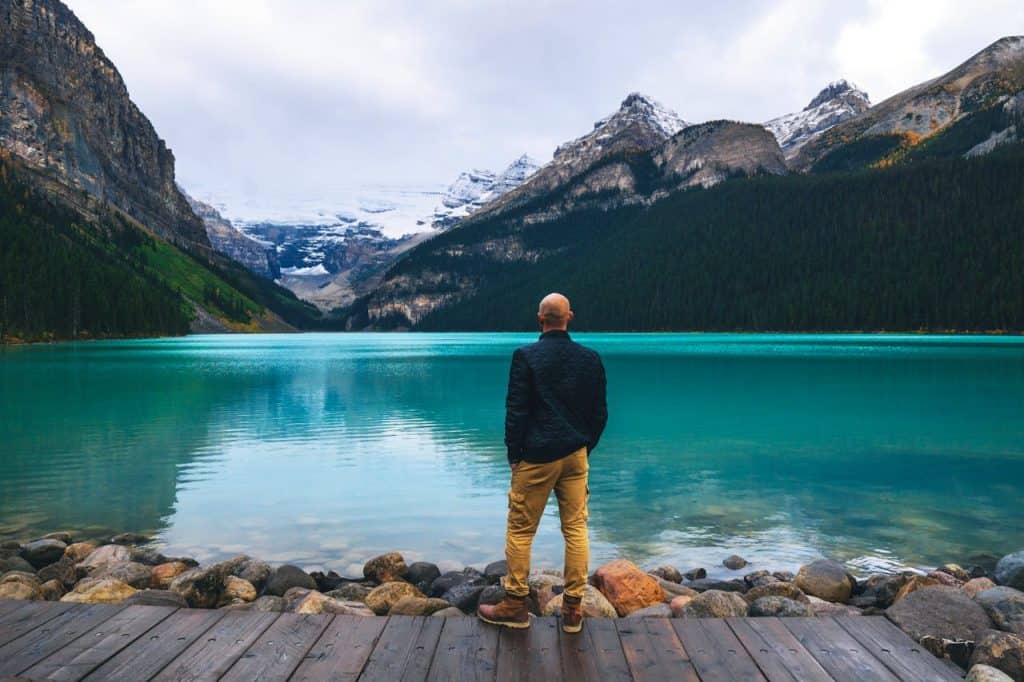
Just imagine how amazing it is to sit by a high altitude lake surrounded by snowcapped mountains. It is a once-in-a-lifetime opportunity because accessibility is very hard.
Gokyo lakes are a collection of stunning glacial lakes located in the Sagarmatha (Everest) region of Nepal.
These lakes are located at an elevation range of 4,700 to 5,000 meters, and they are among the highest freshwater lakes in the world.
In this region, another Iconic thing is Everest Base Camp, which is the base of the highest mountain in the world.
This trek takes you through rugged mountain trails, traditional Sherpa villages, and breathtaking landscapes.
It’s not just a journey to the base of the highest mountain in the world but also about exploring different landscapes, immersing in culture, history, and natural beauty.
The Gokyo lakes trek is not to be missed. The trek is an experience in the Himalayas and an amazing destination for nature lovers.
Acclimatization Tips for High Altitude Trekking
High altitude trekking is also not just for the fit, it is for the patient, those who have a good rhythm, and people who listen to their body.
As you go higher, the air becomes thinner and your body has to adapt, which is a slow process.
That is to say, acclimatization days are not easy; they are days of great challenge. Walk easily; in fact, the trail may call you to go faster, which you should resist.
Drink lots of water, eat well, and go to bed early. Stay away from alcohol, as it will play with your breathing at high altitude.
Sometimes take a break, take deep breaths, fill your lungs, feel the mountain air working its way in.
Climb when the sun is up, sleep in the lower altitudes at night. As the days go by, the body will thank you for it.
Also, if you get a headache or feel dizzy, do not push it. Rest. If you have to descend, do it. The mountain will still be there tomorrow; it is wide open to those who pay attention.
Trail Difficulty and Duration
The Gokyo Valley trek is certainly not the hardest out there, but it’s also not an easy task.
It is more than what we may call a lung test as opposed to a leg test with thin air, steep ascents, and long periods on your feet.
Most people report that it takes between 12 and 14 days, which also includes days for resting and acclimatization.
The trails go through stone villages, glacial valleys, and ridges that seem to touch the sky. The challenge is that of the climb to Gokyo Ri, which, though short, is very steep, over 5,300 meters.
Each breath is harder, but the view of Everest, Cho Oyu, and the turquoise Gokyo Lakes makes each step worth it.
Walking time ranges from 5 to 7 hours a day based on pace, which is also affected by the weather.
It’s a slow-burn adventure, one that rewards patience, rhythm, and the will to keep moving through thin, sacred air.
Culture and Local Life
Life along the Gokyo trail moves slowly, shaped by mountains and old traditions. The Sherpa people here live with quiet strength, humble, warm, and deeply spiritual.
You will pass stone houses stacked against the wind, prayer flags fluttering like whispers to the gods, and monasteries that hum with soft chants at dawn.
In every village, tea houses glow with laughter and butter tea’s salty warmth. Children run barefoot on rocky paths, and elders spin prayer wheels with the same rhythm they have known all their lives.
Farming and yak herding still shape daily life; tourism just adds another thread to the weave.
Culture here isn’t something you watch; it’s something you feel. It’s in the shared tea, the prayer murmured under breath, the smile from a stranger who’s walked this trail a hundred times before. Simple. Sacred. Unhurried.

About Peter C.
Peter is a digital nomad who largely writes from Asia, Europe, and South America. Always following the "vibe," he sets up shop in hostels and AirBNB's and continues to entertain us with wild stories from life abroad. Ask him anything in our community forum. Make sure to download the AllWorld Travel Hacks FREE ebook.