
Traveling with horses can be exciting, whether it’s for a competition, a trail ride, or relocating to a new barn. But it can also be stressful—for both you and your horse. Ensuring your horse stays healthy on the road requires a bit of planning, attention, and care.
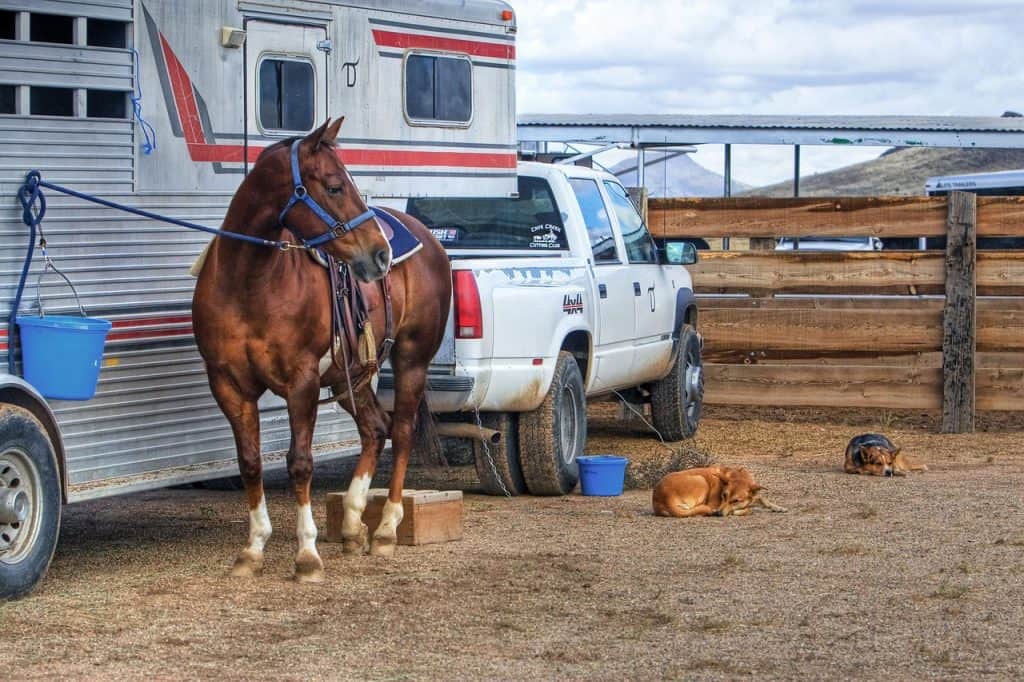
One of the main concerns during travel is maintaining your horse’s weight and overall condition. Some owners rely on herbal weight gain supplements for horses to help maintain body condition during long trips or when access to consistent feed is limited. Alongside supplements, a focus on hydration, stress management, and proper rest can make the journey smoother and safer.
By following a few key steps, horse owners can keep their animals comfortable and healthy, reducing the risk of stress-related illnesses or injuries while traveling.
Preparing Your Horse for Travel
Before hitting the road, proper preparation is essential. This ensures that your horse is physically ready for travel and that you have everything you need for a safe journey.
Health Checkups Before a Trip
- Vet Examination: A pre-trip veterinary checkup is critical to confirm your horse is fit to travel. This includes a general health assessment, checking for injuries, and reviewing any ongoing medical issues.
- Vaccinations and Parasite Control: Make sure vaccinations are up to date and that your horse has a current deworming schedule. Healthy horses are less likely to fall ill during or after travel.
- Assessing Fitness: Horses need to be physically ready for the stress of transport. Short training rides or light exercise before the trip can help condition them for longer journeys.
Packing the Essentials
- Feed and Hay: Bring enough feed for the entire trip and a little extra in case of delays. Hay nets or portable feeders help maintain regular eating routines.
- Water Supply: Carry sufficient clean water and a portable trough. Hydration is key to prevent dehydration, which can quickly lead to colic or other health issues.
- First Aid and Grooming Tools: Stock a basic first aid kit, including bandages, antiseptic, and hoof care tools. Grooming brushes and hoof picks help keep your horse comfortable during travel.
Managing Feeding and Hydration on the Road
Maintaining your horse’s feeding and hydration schedule is crucial for their health. Travel can disrupt normal routines, so planning ahead helps minimize stress and digestive issues.
Maintaining Regular Feeding Schedules
- Consistency Matters: Horses thrive on routine. Try to feed at the same times as usual, even during stops.
- Adjusting Quantities: If travel delays occur, monitor feed amounts and avoid sudden changes. Gradual adjustments reduce the risk of digestive upset.
- Portable Feeding Options: Hay nets or individual feed bags are helpful tools that make feeding on the road simpler and less messy.
Keeping Horses Hydrated
- Monitoring Intake: Horses should have access to fresh water at all times. Keep an eye on how much they drink, especially in hot weather or after exertion.
- Frequent Water Breaks: Plan stops to offer water every few hours. Even short breaks can help prevent dehydration.
- Adding Electrolytes: For longer trips, consider electrolyte supplements. They help maintain essential minerals lost through sweat, especially during warm weather.
Reducing Stress During Transport
Travel can be stressful, even for the calmest horses. Reducing anxiety helps prevent injuries and digestive issues, ensuring a smoother journey.
Trailer Familiarization
- Practice Trips: Introduce your horse to the trailer before a long journey. Short trips help them adjust to confined spaces and movement.
- Comfortable Environment: Use non-slip mats, proper ventilation, and adequate padding inside the trailer. A comfortable space reduces fear and restlessness.
Calming Techniques
- Gentle Handling: Stay calm and use consistent cues. Horses pick up on your energy, so relaxed handling can lower stress.
- Familiar Routines: Keep grooming and feeding schedules as close to normal as possible. Routine creates a sense of security.
- Soothing Equipment: Some horses benefit from calming wraps, blankets, or natural calming supplements (optional). Only use these if recommended by your vet.
Safe Stops and Rest Breaks
Regular breaks are vital for the physical and mental well-being of horses during travel. Without them, horses can become stiff, tired, or anxious.
- Stretching and Movement: Whenever possible, allow your horse to step out, stretch, and move around. Short walks reduce stiffness and improve circulation.
- Monitoring for Fatigue: Keep an eye on signs of fatigue or discomfort, like pawing, sweating, or unusual behavior. Early detection prevents more serious issues.
- Duration and Frequency: Stop every 2–3 hours for short rest periods. Longer trips may require overnight stays with access to pasture or secure turnout.
Post-Travel Care
Once you arrive, your horse still needs attention. Proper post-travel care ensures a smooth transition and helps them recover from the journey.
Unloading and Settling In
- Calm Environment: Unload horses slowly and calmly, giving them time to adjust to the new surroundings.
- Observation: Watch for signs of stress, fatigue, or minor injuries. Early intervention can prevent complications.
- Hydration and Feeding: Offer water immediately, and feed hay first before introducing grain. This helps stabilize digestion after travel.
Recovery and Monitoring
- Gradual Return to Routine: Resume normal exercise and feeding schedules slowly. Abrupt changes can cause digestive upset or stress.
- Health Monitoring: Track appetite, energy levels, and overall behavior for several days. Any persistent changes may require a vet check.
- Mental Comfort: Provide familiar grooming tools or companions if possible. Comfort items help horses feel safe and relaxed after travel.
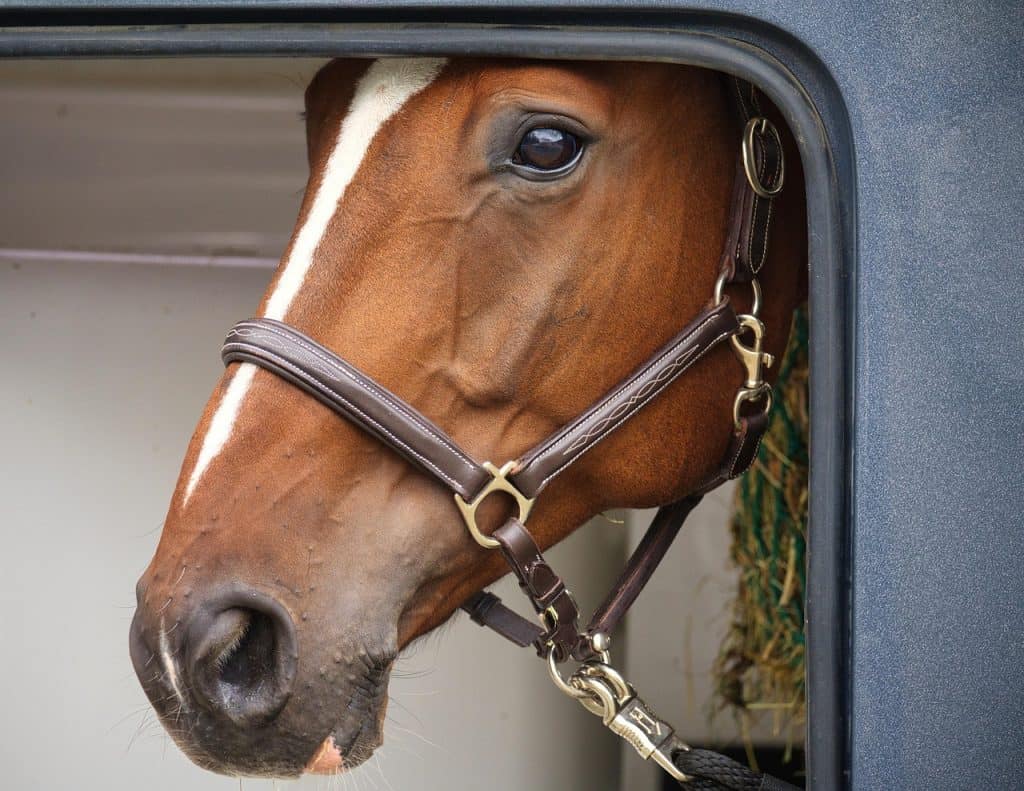
Traveling Smart: Keeping Health First
Traveling with horses doesn’t have to be stressful. By preparing ahead, maintaining routines, and paying attention to hydration, feeding, and stress management, horse owners can ensure a safe and comfortable journey.
Each horse is unique. What works for one may not work for another, so always observe and adjust according to your horse’s needs. A little planning goes a long way in keeping your horse healthy, happy, and ready to perform or enjoy their destination. Traveling can be a positive experience for both you and your horse when health is prioritized every step of the way.
Lastly, traveling with horses is not just about reaching the destination; it’s about making the journey as safe, comfortable, and stress-free as possible. By paying attention to every detail—from preparation and feeding to hydration, stress management, and post-travel care—you are investing in your horse’s long-term health and well-being.
Remember, a calm and well-cared-for horse is more likely to perform better, stay healthier, and enjoy travel rather than dread it. Every careful choice you make on the road helps build trust and confidence between you and your horse, making future trips smoother and more enjoyable.

About Peter C.
Peter is a digital nomad who largely writes from Asia, Europe, and South America. Always following the "vibe," he sets up shop in hostels and AirBNB's and continues to entertain us with wild stories from life abroad. Ask him anything in our community forum. Make sure to download the AllWorld Travel Hacks FREE ebook.


