
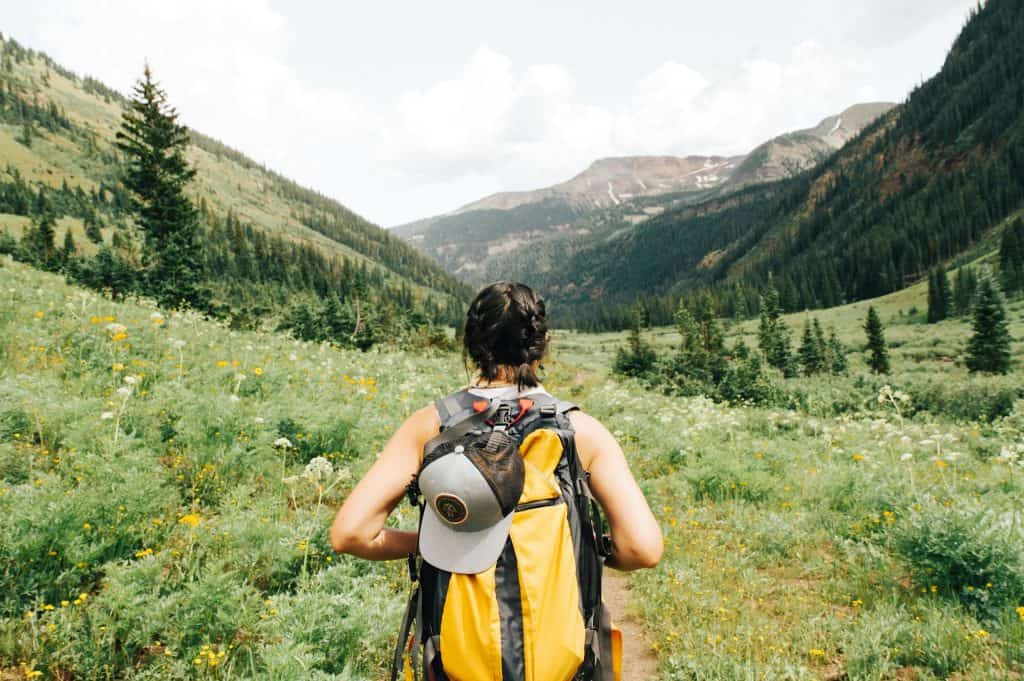
Traveling as a student doesn’t have to feel impossible. Sure, money is tight, schedules are messy, and planning can feel like another assignment you didn’t ask for. But student travel has its own rhythm – quick trips, spontaneous weekends, long bus rides, and meals that somehow taste better simply because you’re far from home. With the right approach, you can see a lot, spend a little, and come home with stories that last longer than any souvenir.
The real trick is to treat travel like a skill. You don’t need luxury gear or an expensive itinerary. You need strategy, good timing, and the ability to stretch a dollar without stretching your patience. Students do this better than anyone.
When your budget gets tight, some students lean on MyPaperHelp for paper help during heavy academic weeks.
In fact, as Sophia Bennett, a senior writer who works with students seeking paper writing help, often says, “Travel teaches things classrooms can’t – but you still need space to learn both.” Her point hits home. Travel and studying don’t compete with each other when you create balance.
Let’s break down the smartest ways to travel on a student budget without feeling like you’re sacrificing comfort or fun.
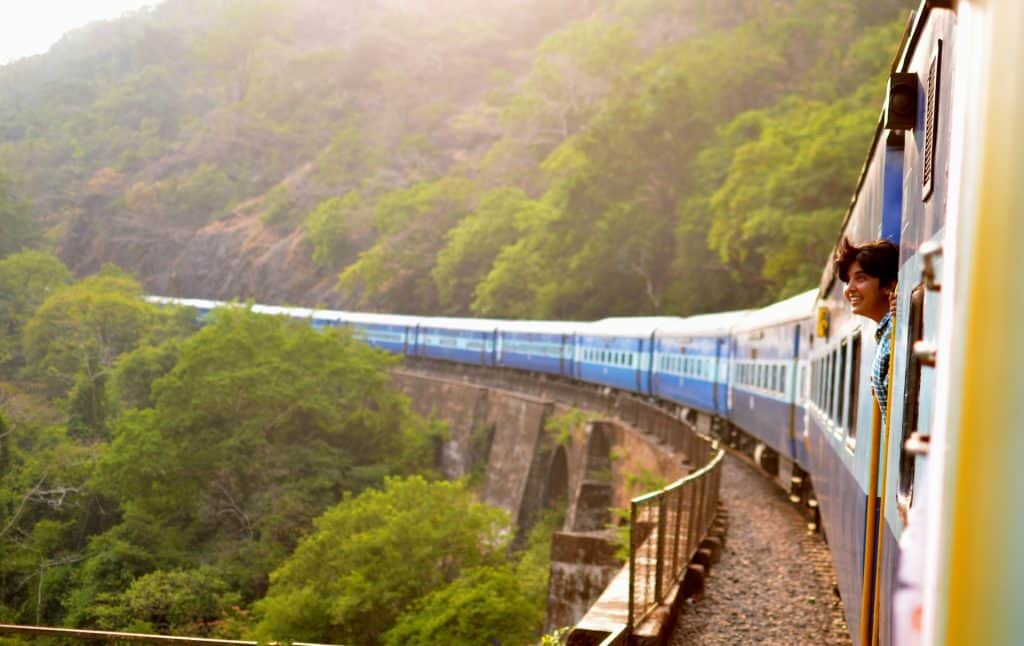
Travel During Shoulder Seasons
Most people travel during peak vacation months. That’s also when prices explode. Shoulder seasons – the weeks right before and after busy periods – give you lower rates and smaller crowds.
If you’re traveling in Europe, think April or late September. For the U.S., early spring and early fall are perfect. Flights drop, hostels open beds easily, and museums finally feel calm. You get more for your money just by shifting your dates a little.
Use Student Discounts Everywhere
You’d be shocked how many places offer student pricing. Trains, buses, museums, walking tours, entrances to historical sites – even some restaurants and cafés. Always carry your student ID.
A lot of destinations now offer digital student passes that bundle multiple discounts into one price. Use them. The savings add up fast. One museum ticket saved could cover lunch.
Stay in Hostels and Learn to Choose Good Ones
Hostels range from calm, cozy spaces to full-on social hubs. The key is reading reviews carefully. You want:
- clean rooms
- lockers
- a kitchen
- free Wi-Fi
- friendly staff
Avoid hostels next to major party districts if you’re hoping to sleep. Avoid “too cheap to be true” listings unless you enjoy the surprise of questionable bedsheets.
You don’t need a private room. Dorm rooms give you the full student travel experience – shared kitchens, friends from five countries, and people swapping tips that’ll save you money.
And in the middle of the semester, students sometimes need research paper writing help to keep up with everything.
During those weeks, a little academic support makes weekend trips or study-abroad weekends possible.
Learn Public Transportation Like a Local
Taxis and rideshares burn through student budgets fast. Cities usually have simple transit systems if you take ten minutes to learn them.
Before arriving, check:
- weekly or daily travel passes
- student metro cards
- night bus routes
- apps with offline maps
When you use public transit confidently, cities open up to you. And you’ll save enough money to splurge on something you actually want, like a local festival or a great meal.
Try Not to Eat Out for Every Meal
Food is one of the biggest travel expenses. You don’t have to cook all the time, but two simple habits save money:
- shop at local markets for snacks and quick breakfasts
- book a hostel with a kitchen
You can make oatmeal, pasta, sandwiches, or simple rice dishes for almost nothing. Save your eating-out budget for meals that feel special instead of random.
Markets are also the easiest way to learn how locals eat. Fresh fruit, pastries, street snacks – all cheaper and more authentic than tourist restaurants.
Use Free Walking Tours
Almost every major city offers free walking tours. They’re led by locals or long-term residents who know more than any guidebook. You’ll learn shortcuts, cheap food spots, and neighborhoods worth exploring.
You usually tip at the end – whatever you can afford. A good walking tour gives you an overview of the city and helps you plan the rest of your trip smarter.
Pack Light – Your Back Will Thank You
Students often pack as if they’re moving countries. Don’t. You don’t need seven outfits and backup shoes “just in case.” Pack light, and everything gets easier.
Traveling light means:
- cheaper flights
- fewer lost items
- less stress on transit days
- the freedom to walk, explore, or climb stairs
Your future self will thank you when you’re not dragging a huge suitcase over cobblestones.
Stay Flexible Instead of Rigid
Flexibility saves more money than any discount. If you’re open to shifting plans, you can catch last-minute train deals, free events, and cheaper hostels.
A rigid schedule feels safe, but travel becomes more fun when you leave room for surprises. If someone at the hostel invites you to a sunset lookout or a hidden beach, go. Those moments become the stories you talk about years later.
Balance School and Travel Without Burning Out
Traveling during school doesn’t have to sabotage your grades. You just need to protect pockets of study time. Some students travel with a small homework routine: an hour in the morning, or an hour at night.
And when classes pick up, some rely on my paper help or tools that offer research paper help, letting them travel a little longer without falling behind.
Don’t Underestimate Smaller, Cheaper Cities
Big cities are great, but smaller ones are often more affordable and just as interesting. Instead of Paris, try Lyon. Instead of Los Angeles, try Santa Barbara. Instead of Rome, try Bologna.
You’ll find:
- cheaper food
- cheaper transit
- cheaper hostels
- less tourist noise
- more authentic neighborhoods
These cities give you more room to breathe and more money left for your next trip.
Final Thoughts
Student travel doesn’t require luck or a big bank account. It requires awareness – knowing where to save, when to ask for term paper help, and how to explore without stress. Once you learn that rhythm, travel becomes part of your life instead of a distant dream.
You don’t need perfect plans to see the world as a student. You just need curiosity, flexibility, and a simple strategy that keeps your budget steady while letting the adventure unfold.

About Peter C.
Peter is a digital nomad who largely writes from Asia, Europe, and South America. Always following the "vibe," he sets up shop in hostels and AirBNB's and continues to entertain us with wild stories from life abroad. Ask him anything in our community forum. Make sure to download the AllWorld Travel Hacks FREE ebook.


