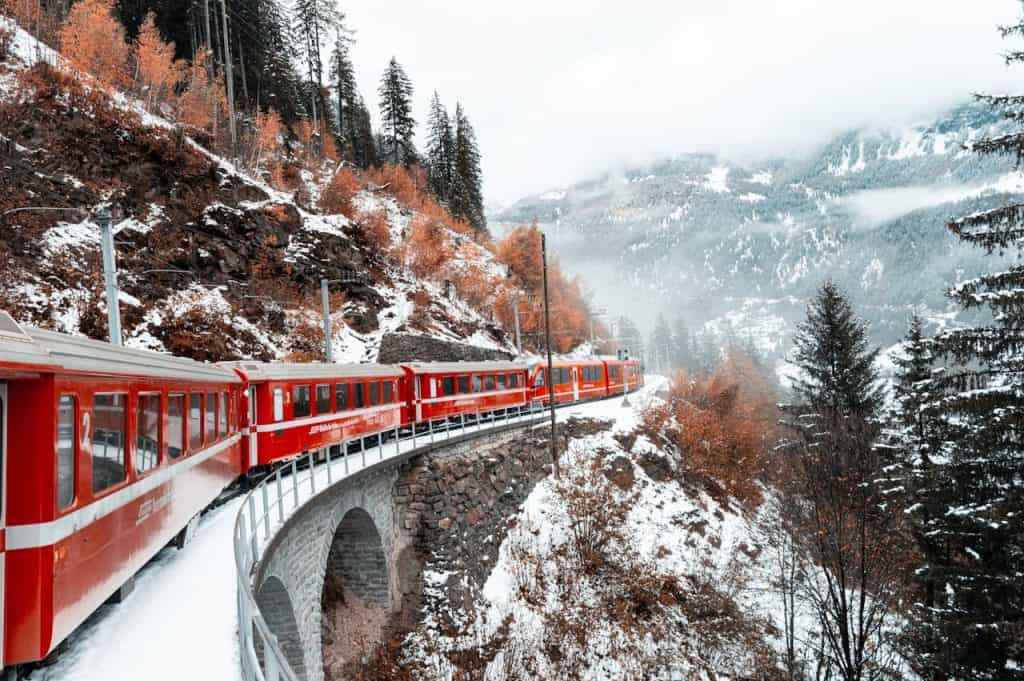
There’s something magical about watching the European countryside roll past your window as you glide effortlessly from one historic city to another. Train travel across Europe offers an unmatched combination of comfort, convenience, and romance that flying simply can’t replicate. Whether you’re planning your first adventure across the continent or you’re a seasoned traveler looking to optimize your journey, this comprehensive guide will help you navigate the rails like a pro.
Why Choose Train Travel in Europe
Europe’s extensive rail network is one of the most efficient transportation systems in the world, connecting major cities and charming villages with remarkable ease. Unlike air travel, trains deposit you right in the heart of city centers, eliminating the need for expensive airport transfers and lengthy security procedures.
The environmental benefits are substantial too. Trains produce significantly less carbon emissions per passenger than planes, making them the eco-conscious traveler’s preferred choice. Plus, the journey itself becomes part of the experience rather than just a means to an end.
Understanding the European Rail Pass System
The Eurail Pass remains the most popular option for non-European residents planning to visit multiple countries. These passes offer unlimited travel within a specific time frame, ranging from a few days to three months. You can choose between consecutive-day passes or flexible passes that allow travel on a set number of days within a longer period.
For European residents, the Interrail Pass provides similar benefits at different pricing. Both passes come in various configurations, including single-country options and regional passes that cover specific areas like Scandinavia or the Benelux countries.
Before purchasing, calculate whether a pass makes financial sense for your itinerary. Sometimes individual tickets or point-to-point fares prove more economical, especially if you’re only visiting two or three destinations.
Planning Your Route and Reservations
Start by identifying your must-see destinations and research the connections between them. High-speed trains like France’s TGV, Spain’s AVE, and Italy’s Frecciarossa make covering long distances remarkably quick, while regional trains let you explore smaller towns at a leisurely pace.
Seat reservations are mandatory on many high-speed and overnight trains, even with a rail pass. These typically cost between 5 and 35 euros and can sell out during peak season, so book them as early as possible. Regional trains usually don’t require reservations, offering more spontaneity in your travels.
Consider the rhythm of your journey carefully. While it’s tempting to pack in numerous destinations, European train tours work best when you allow time to actually experience each place rather than simply checking boxes.
Mastering the Art of Overnight Train Travel
Night trains are experiencing a renaissance across Europe, offering a practical way to maximize your time and save on accommodation. Modern sleeper cars range from basic couchettes with six bunks to private compartments with ensuite facilities.
Pack a small bag with essentials for the night, including earplugs, an eye mask, and a change of clothes. Most overnight trains have dining cars or at least snack services, but bringing some food and water is always wise.
While safety on European trains is generally excellent, use common sense with your belongings. Keep valuables in a secure bag close to your body, even while sleeping.
Essential Tips for a Smooth Journey
Download the Rail Planner app and other relevant national railway apps before departure. These tools provide real-time updates, platform information, and digital ticket storage. Many stations offer free Wi-Fi, but having offline access to your itinerary is crucial.
Arrive at stations at least 15 minutes before departure for regional trains and 30 minutes for international services. European stations can be large and confusing, and trains typically depart precisely on schedule.
Pack light and smart. You’ll be handling your luggage more frequently than with other travel methods, so a manageable bag makes everything easier. Most trains have luggage racks, but space can be limited during busy periods.
Making the Most of Your Train Time
Train travel provides unique opportunities that flying doesn’t. Use the journey to plan your next destination, catch up on reading, or simply engage with fellow travelers. The dining car often becomes a social hub where connections are made.
Window seats on scenic routes like the Glacier Express in Switzerland or the Bergen Railway in Norway offer spectacular views. Research your routes beforehand to identify which side provides the best vistas.
Bringing Your European Train Adventure Together
Traveling Europe by train transforms the journey into an integral part of your adventure rather than merely a transition between destinations. The freedom to move at your own pace, the sustainability of rail travel, and the authentic glimpses of European life through train windows create memories that last far beyond the trip itself.
With proper planning, a spirit of flexibility, and these essential insights, you’re ready to embark on an unforgettable rail journey across one of the world’s most captivating continents. All aboard!

About Peter C.
Peter is a digital nomad who largely writes from Asia, Europe, and South America. Always following the "vibe," he sets up shop in hostels and AirBNB's and continues to entertain us with wild stories from life abroad. Ask him anything in our community forum. Make sure to download the AllWorld Travel Hacks FREE ebook.