Colorado’s rushing rivers offer some of the most exhilarating adventures in the American West, but the thrill of navigating rapids comes with real responsibilities. Whether you’re a first-timer or returning for another adrenaline rush, understanding how to approach this activity safely can mean the difference between an unforgettable experience and a dangerous situation. This guide will walk you through everything you need to know to tackle those rapids with confidence and caution.
Choose the Right River and Difficulty Level
Not all rapids are created equal, and selecting a river that matches your skill level is the first critical safety decision you’ll make. Colorado rivers are rated on a scale from Class I (easy) to Class VI (extremely dangerous), with most commercial trips ranging from Class II to Class IV.
Beginners should start with Class II or III rapids, which offer excitement without overwhelming technical challenges. The Arkansas River near Buena Vista provides excellent beginner sections, while more experienced rafters might tackle the challenging stretches of the Upper Colorado River. Be honest with your guide about your swimming ability and physical fitness, as these factors significantly impact which routes are appropriate for you.
Research the seasonal water levels before booking your trip. Spring runoff creates higher, faster water that can elevate a normally moderate river to advanced difficulty. Late summer typically offers calmer conditions ideal for families and newcomers.
Select a Reputable Outfitter
Your choice of rafting company directly impacts your safety on the water. Licensed outfitters in Colorado must meet specific state requirements, including guide certification and equipment standards, but not all companies maintain the same level of excellence.
Look for outfitters with certified guides who have extensive experience on the specific river you’ll be navigating. Check online reviews and ask about their safety record, guide-to-guest ratios, and emergency protocols. Reputable companies will gladly discuss their safety procedures and won’t pressure you into trips beyond your capability.
Verify that your outfitter provides all necessary safety equipment and conducts thorough pre-trip briefings. This preparation time isn’t just formality; it’s essential training that could save your life.
Understand and Follow Safety Protocols
Before you push off from shore, you’ll receive safety instructions that might seem overwhelming. Pay close attention to every detail, especially the commands your guide will use and the proper positions for different situations.
The most important skill is knowing how to position yourself if you fall out of the raft. Float on your back with feet downstream and pointed upward to avoid getting stuck between rocks. Keep your arms spread for balance and never try to stand up in moving water, as foot entrapment is one of the most dangerous situations in rafting.
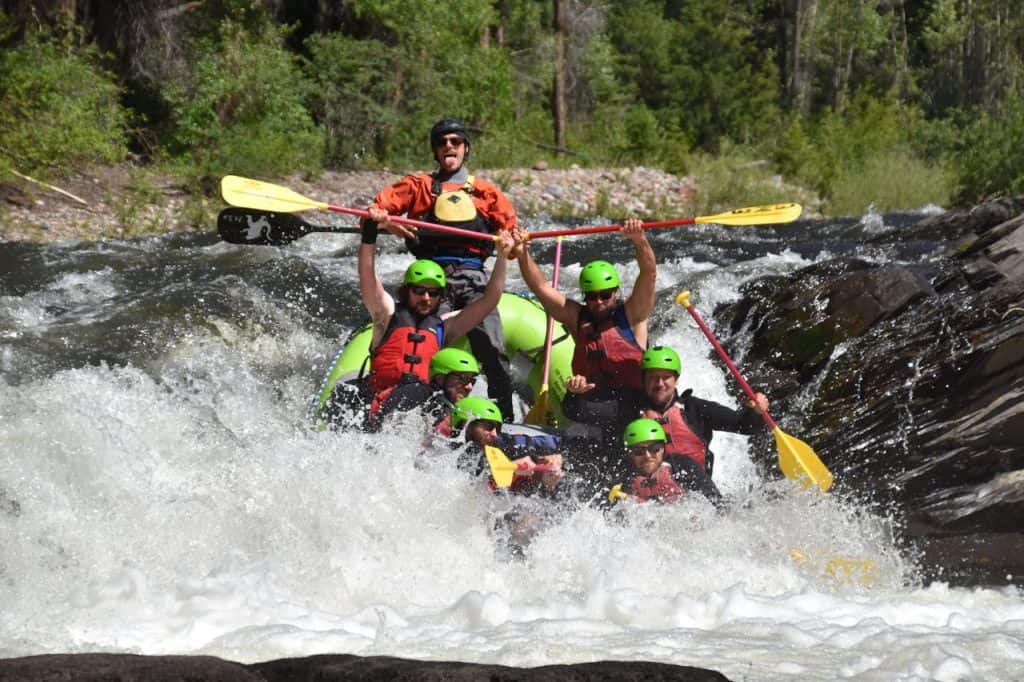
Always wear your life jacket properly fastened and keep your helmet secured. These aren’t optional accessories when you’re navigating white water rafting Colorado rivers; they’re essential protective equipment that significantly reduces injury risk. Listen to your guide’s commands immediately and without hesitation, as split-second timing often determines how smoothly you navigate obstacles.
Prepare Physically and Mentally
Rafting demands more physical exertion than many people anticipate. While you don’t need to be an athlete, basic fitness helps you paddle effectively and respond quickly to changing conditions.
In the weeks before your trip, focus on upper body and core strength. Swimming skills are valuable, though not always required by outfitters. More importantly, be comfortable getting your face wet and remaining calm in chaotic situations.
Mental preparation is equally crucial. Understand that you might get thrown around, splashed heavily, or even ejected from the raft. Accepting these possibilities beforehand helps you respond appropriately rather than panicking if they occur.
Know What to Wear and Bring
Proper clothing makes your rafting experience safer and more comfortable. Wear synthetic or wool materials that insulate when wet, and avoid cotton, which loses all warming properties once soaked. Secure footwear with closed toes protects against rocks and provides traction in the raft.
Most outfitters provide wetsuits for cold water conditions, but bring sunscreen, sunglasses with a strap, and a water bottle. Leave valuables, jewelry, and anything you can’t afford to lose at home or in a secure vehicle.
Conclusion
Colorado’s spectacular rivers offer adventures you’ll remember for a lifetime, and approaching them with proper preparation ensures those memories remain positive. By selecting appropriate difficulty levels, partnering with experienced outfitters, following safety protocols, preparing your body and mind, and wearing suitable gear, you’ll maximize both enjoyment and security. The power of moving water demands respect, but with the right approach, you can safely experience the incredible rush of conquering Colorado’s magnificent rapids.

About Peter C.
Peter is a digital nomad who largely writes from Asia, Europe, and South America. Always following the "vibe," he sets up shop in hostels and AirBNB's and continues to entertain us with wild stories from life abroad. Ask him anything in our community forum. Make sure to download the AllWorld Travel Hacks FREE ebook.