
Italy carries a long history that’s still highly visible in its streets and landscapes today. Cities across the country still contain buildings, traditions, and public spaces that began centuries ago and remain part of everyday life. But the country’s history isn’t confined to ancient sites – many of Italy’s oldest historical and cultural traditions are still thriving in the same places and the same ways they have for centuries, allowing travellers to experience parts of Italian culture in a direct and practical way. Let’s take a closer look at some of the most enduring cultural and historical experiences that you can still enjoy in modern Italy:
Opera in Verona’s ancient arena
One of the clearest examples of this is the Verona opera. Each summer, audiences gather inside the Roman arena for the opera season. The theatre dates from the first century, and people still fill the stone seating to hear full-scale productions under the open sky.
While opera is admittedly not as old as the amphitheater itself – opera is a mere four hundred or so years old – attending a performance there still links modern audiences with a long tradition of public entertainment.
The setting remains largely unchanged, and the crowd watches the performance from the same tiers where Roman spectators once gathered for large public events. Visitors come for the music, but the setting itself carries just as much impact.
Walking through the remains of the Roman Empire
Rome still preserves large sections of the city built during the Roman Empire. The Colosseum stands at the centre of that legacy. Visitors can walk through the corridors and look down into the arena where large public spectacles once took place.
A short distance away, the Roman Forum spreads across the valley between several hills. Stone columns, temple foundations, and fragments of public buildings mark the place where political speeches, legal decisions, and commercial dealings once filled the centre of the city. Walking through the site today places visitors directly inside the physical remains of Roman public life, without having to leave Rome proper or line up for admittance to historical sites.
Life along the canals of Venice
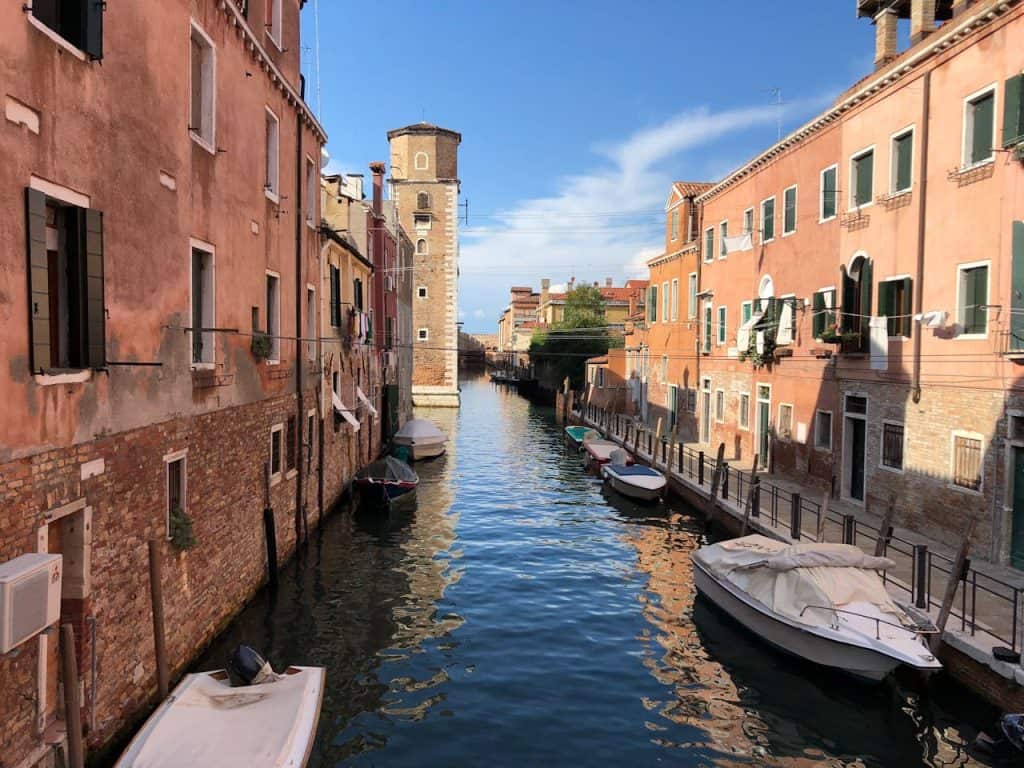
Venice developed along a network of canals rather than streets, and the city still functions that way today. Boats largely replace cars, and narrow bridges link neighbourhoods across the water. Residents and visitors travel through the same canals that merchants and sailors once used during Venice’s trading peak.
A ride along the Grand Canal shows many of the palaces built during that era. These buildings still stand along the water, and many remain in use as homes, hotels, or public buildings where you can stay, grab food and drink, or simply enjoy the architecture. St Mark’s Square continues to act as the city’s main gathering place, just as it has for centuries.
Regional cooking traditions that remain part of daily life
Food provides another way to experience Italian history. Regional cooking traditions have developed over long periods and still shape everyday meals across the country. Travellers moving through the country will quickly notice that dishes change from one region to the next.
Naples is known for its traditional pizza, while Rome features several well-known pasta dishes. Coastal regions rely more heavily on seafood, while inland areas use ingredients drawn from local farms. These meals aren’t just a feature of restaurants aimed at visitors. They are part of daily cooking and local food culture.
Art collections that preserve the Renaissance
Italy also contains some of the most important – and unusual – art collections in Europe. Florence’s Uffizi Gallery houses paintings from the Renaissance by artists such as Botticelli, Michelangelo, and Leonardo da Vinci.
Visitors move through rooms filled with works that shaped European art for centuries. Many of these paintings still hang in buildings constructed during the same historical period, allowing people to see them in settings close to their original environment.
Italy’s past still shapes everyday experiences
Italy’s history remains visible because many historic sites continue to serve practical roles today. Theatres still host performances, city squares still fill with people, and traditional food still appears on everyday tables.
Visitors who travel through the country often find that these living traditions make the strongest impression. Instead of standing apart from modern life, Italy’s historical culture continues to exist alongside it.

About Peter C.
Peter is a digital nomad who largely writes from Asia, Europe, and South America. Always following the "vibe," he sets up shop in hostels and AirBNB's and continues to entertain us with wild stories from life abroad. Ask him anything in our community forum. Make sure to download the AllWorld Travel Hacks FREE ebook.


