
Retiring to Costa Rica is a dream for many, thanks to its affordable cost of living, excellent healthcare system, and welcoming expat community. The country offers several residency options like the Pensionado visa, warm year-round weather, and a slower “Pura Vida” lifestyle that emphasizes wellness and balance. From beachside living in Guanacaste to the cooler Central Valley, retirees can choose a lifestyle that fits their budget and preferences. With modern amenities, political stability, and a reputation as one of the safest countries in Latin America, Costa Rica consistently ranks among the best retirement destinations in the world.
Key Takeaways
- Costa Rica combines affordability, natural beauty, and modern amenities, making it a top retirement choice.
- Retirees benefit from quality healthcare through both public and private systems.
- Multiple residency visas, including the popular Pensionado program, make relocation accessible.
- Popular retirement spots range from urban San José to tranquil beach towns in Guanacaste.
- Retirees should plan for cultural adaptation, modest bureaucracy, and learning basic Spanish.
- With careful planning, Costa Rica offers retirees a safe, healthy, and fulfilling lifestyle.
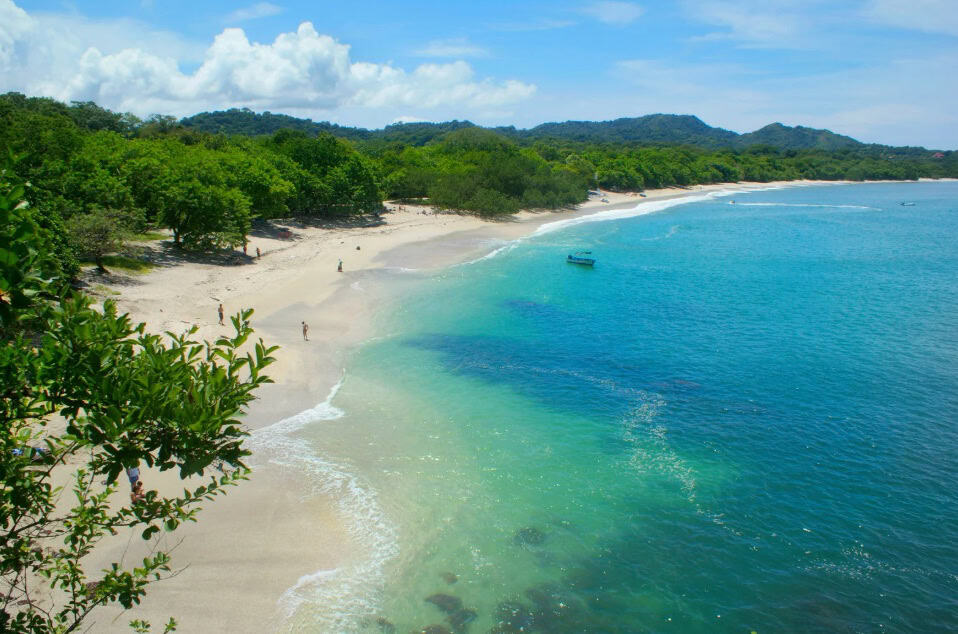
Expat Communities and Natural Beauty – Are You Ready to Retire to Costa Rica?
Many people in the US have the dream of retiring in Costa Rica. However, they may believe it is simply not possible. The truth is this: the Costa Rican government makes it much easier to move to Costa Rica when compared to other countries in Latin and Central America and around the world. Because of this, living in an affordable, tropical paradise is a reality for many expats.
From the stunning beaches of Guanacaste to the lush rainforests of the Central Valley, Costa Rica offers an environment that features a relaxing, adventurous lifestyle that is more affordable than other areas of the world.
Costa Rica has a world-class healthcare system, it offers many housing options, and most of the residency programs and visa programs make it easy to move there. Additionally, Costa Rican’s live the “Pura Vida,” or the “pure life,” which often means a slower and more meaningful way of living.
Here, we will look at the benefits of retiring to Costa Rica, as well as some considerations to keep in mind. From the cost of living and available healthcare options to the best places to live, in this guide, you will find everything you need to make the best choice for your future.
Why Retire in Costa Rica?
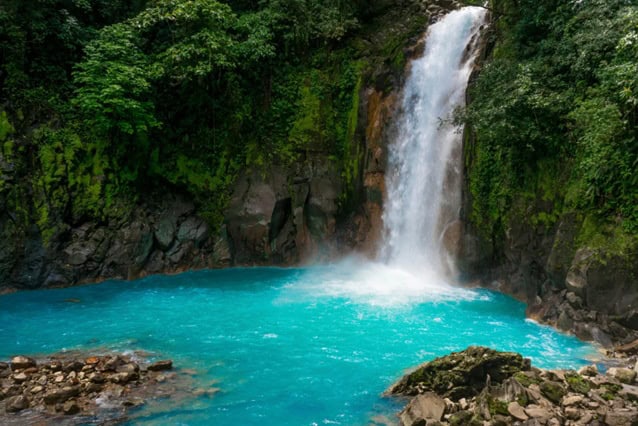
Costa Rica has the reputation as one of the most desirable retirement destinations on the globe. It’s easy to see why when you start looking into this type of international living. With picture-perfect beaches, lush mountains, and tax breaks, retirees are drawn to this paradise when considering living abroad.
One of the biggest reasons people come to Costa Rica is the “Pura Vida” lifestyle. Meaning “pure life,” it’s the national philosophy here, which focuses on optimism, relaxation, and an appreciation for the little things. Retirees who embrace the Pura Vida are able to slow down, reduce stress, and enjoy life in a way that’s quite different from the hustle and bustle they had at home.
Additionally, the tropical climate in Costa Rica allows for year-round outdoor activities, making it appealing for retirees.
The country of Costa Rica is also quite safe. In fact, it is known as one of the safest and politically stable countries in Latin and Central America. Costa Rica abolished its military in 1948, and instead has invested in education, healthcare, and infrastructure.
Over 120,000 US citizens have chosen to retire in Costa Rica. This means that there are already well-established expat communities and services, which help to transition people into the country. These communities often host social events, volunteer programs, and help newcomers get to know the local ways.
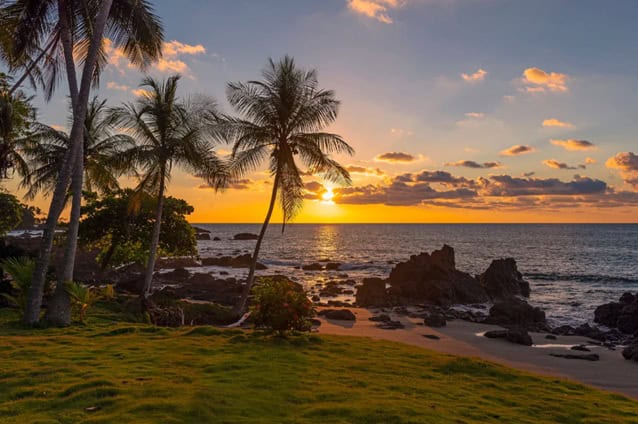
Finally, the natural beauty of Costa Rica cannot be overstated. With amazing national parks, stunning wildlife reserves, and a commitment to sustainable living, there is an endless opportunity here for activities like hiking, surfing, birdwatching, or enjoying the nightly sunsets right on the beach.
What is the Cost of Living in Costa Rica?
When compared to other locations, the cost of living in Costa Rica is low. In fact, Costa Rica’s total cost of living is approximately 33.9% lower than in the United States when rent is included. While costs will depend on location and lifestyle, retirees generally find that they can experience convenience and even luxury while living on a modest budget. The average cost of living in Costa Rica, excluding rent, totals around $892.90 per month for an individual retiree.
What are Housing Costs in Costa Rica?
Housing is usually the largest expense in Costa Rica, but it’s still much more affordable than in the U.S. or Canada. In small towns, a comfortable 1-2 bedroom home or apartment can be rented from $500 to $900 per month. As of 2025, it is around $1,497 per month, on average, for a sizable home or condo in a city like San Jose.
For those who want to buy, property ownership is possible, too. Homes are generally much more affordable when compared to those in North American. Though, renting is often favored by retirees in Costa Rica, with smaller apartments costing around $662/month in the city.
It’s important to note — retirees can generally easily afford Costa Rica on their retirement income, but costs are rising. This is attributed to its popularity, particularly in tourist and expat-heavy areas.
What are Utilities and Transportation Costs in Costa Rica?
Costa Rican citizens typically also pay lower electricity, water, and internet costs when compared to North America. Utilities in Costa Rica typically total an extra $75 per month for services like water, electricity, and garbage collection. Adding things like internet and air conditioning will have extra costs, but it’s still not overwhelming for most retirees.
As a retiree, you can own a car, but its much more affordable to use public transportation. Local buses in the city are typically just a couple of dollars. It’s reliable and affordable. Those who own a vehicle must pay taxes, like import taxes, which may strain retirement funds.
What are Food and Dining Costs in Costa Rica?
Groceries are affordable, especially when shopping at local farmers’ markets (ferias) where fresh produce, meat, and seafood are sold at low prices. The cost of food for retirees can be as low as under $200 per month if groceries are purchased at local markets. Imported goods, however, are expensive.
Dining out is also quite affordable. A typical meal at a small town restaurant is generally less than $10 per person. Higher end restaurants in the city may cost as much as $40 per person.

What are Healthcare Costs in Costa Rica?
Costa Rica has a universal healthcare system known as Caja Costarricense de Seguro Social. It covers 90-100% of medical costs after a small monthly contribution. Many retirees choose to supplement their public healthcare with private health insurance in Costa Rica.
Retirees in Costa Rica can access the universal healthcare system after paying a tax of roughly 9-11% of their monthly income from their pension or retirement fund. This is required as part of the Costa Rican residential requirements.
Overall, medical expenses are affordable, with routine doctor’s visits often cost around $50 to $75. Private clinics in Costa Rica are often well-rated and provide high-quality care with shorter wait times than public healthcare. Many retirees purchase private health insurance in Costa Rica, which ranges from $60 to $250 per month for government plans.
How Does the Cost of Living in Costa Rica Compare to the U.S.?
Overall, retirees report living well on $1,500–$2,500 per month in Costa Rica, though more luxurious lifestyles may require $3,000–$4,000 monthly. Compared to U.S. costs for housing, healthcare, and dining, Costa Rica provides significant savings without sacrificing quality of life.
In short, Costa Rica offers retirees the chance to stretch their retirement dollars further while still enjoying a comfortable, healthy, and active lifestyle.
What are the Residency Options and Visa Requirements for Costa Rica?
The most important part of living in Costa Rica as a retiree is to obtain legal residency. Thankfully, the country offers several visa programs that are specifically designed for retirees. There are income requirements for US expats.
Pensionado Program (Retiree Visa)
The Pensionado visa is the most popular option for retirees. To qualify, you must show that you are bringing in a monthly income of at least $1,000 from a qualified pension or retirement plan. This visa allows you to live in Costa Rica, open a Costa Rican bank account, access healthcare, and enjoy many of the same rights as citizens, except for voting. The Pensionado visa is renewable every two years.
Rentista Visa
The Rentista visa is designed for individuals who do not have a pension but otherwise have a stable income. Applicants of the Rentista program must prove a minimum monthly income of $2,500 for at least two years or they must deposit $60,000 USD in a Costa Rican bank. This visa is also renewable, and it gives you the right to live and work in Costa Rica.
Investor Visa
For retirees interested in investing in Costa Rica, the Investor visa may be an option. It requires a minimum investment in a business or property. Typically, this is around $150,000. By having this, you are a legal resident of Costa Rica. This visa can also be renewed and allows family members to apply for dependent residency.
General Requirements
All visa types require applicants to provide:
- Proof of income or investment
- Valid passport
- Birth certificate
- Police clearance from their home country
- Medical certificate confirming good health
Process Timeline
The residency application process can take 2–6 months, depending on the visa type and completeness of documentation. Many retirees choose to work with a local attorney or migration consultant to navigate the paperwork efficiently.
With these programs, Costa Rica makes it relatively straightforward for retirees to establish legal residency, enjoy the country’s benefits, and plan for long-term living with peace of mind.
More Information About the Healthcare System in Costa Rica
For retirees, healthcare is a major consideration. Costa Rica has one of the best systems in the whole of Latin America. There is a government run system for healthcare, and those living in Costa Rica can get private coverage to supplement the public system.
Public Healthcare: Caja Costarricense de Seguro Social (CCSS)
Costa Rica’s public healthcare system, commonly known as the Caja, offers full medical services to residents, including retirees. With legal residency, expats can enroll by contributing a small amount, typically $75 – $200 per month. This is based on their earnings, such as Social Security payments. Retirees must join Costa Rica’s public healthcare system (CCSS) as part of their residency requirements.
Available services include routine check-ups, specialist care, ER visits, and hospital stays. The public system is known for it’s robust coverage, though wait times for non-emergencies may be a consideration. Private clinics, however, are much faster.
Private Healthcare
Many expats choose private insurance, or at least supplement public insurance with private insurance. This offers faster appointments and access to private hospitals and clinics in major cities.
Many people see “private insurance,” and think about high costs, but on average, many retirees in Costa Rica report healthcare costs significantly lower than in the United States for comparable services. Private health insurance in Costa Rica can range from $60 to $1,000 per month, depending on the provider and coverage options.
Where are the Best Places to Retire in Costa Rica?
Living in Costa Rica means you have your choice of cities or small towns to settle in. There is also a wide range of options depending on what you are looking for. For example, Escazú is known for its modern amenities and stunning mountain views. Tamarindo is home to one of the largest expat communities in Costa Rica.
Costa Rica has a large and diverse expat community, especially in areas like the Central Valley and Tamarindo.
San José and the Central Valley
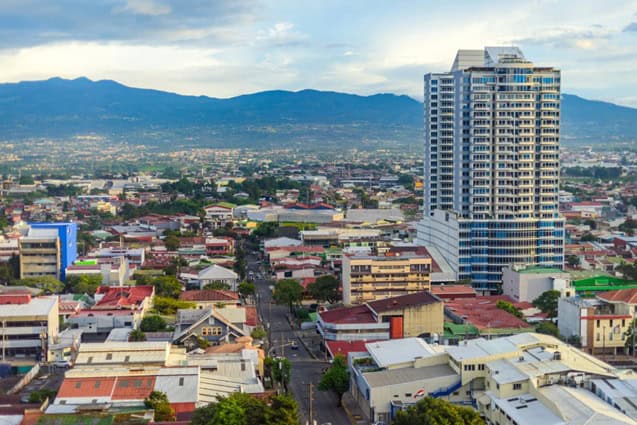
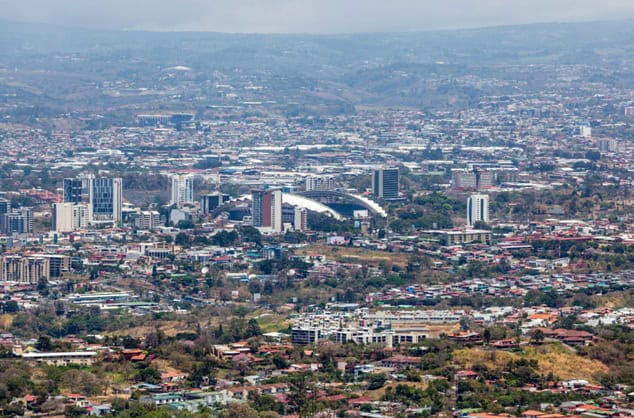
The Central Valley of Costa Rica includes San José, Heradia, and Escazú. It is a favorite place for retirees who want the convenience of living in the city, plus a mild, comfortable climate.
San José, the capital, offers shopping centers, restaurants, theaters, and modern healthcare facilities. Many retirees settle in the city center, where rental prices are typically less than $800 a month. When compared to a U.S. city like Boston, San Diego, or Dallas, this is significant for American expats.
The Central Valley enjoys cooler temperatures year-round, has small towns caring for sugar cane fields and coffee plantations, and is a perfect option for those who want to spend their golden years avoiding the tropical heat of the coast.
Guanacaste
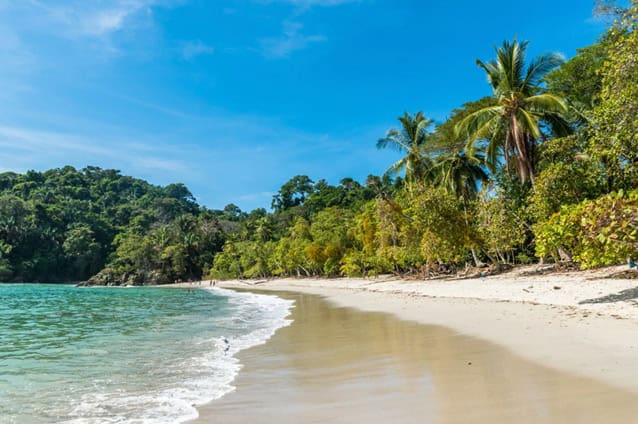
For retirees who want an experience filled with beaches and sunny weather, Guanacaste on the Pacific Coast is an excellent choice.
This area of the country is known for it’s pleasant climate, fabulous beaches, and vibrant community of expats. Guanacaste has something for everyone, including those looking for an affordable cost of living.
Some of the popular towns here include Tamarindo, Nosara, and Playa Flamingo. People here enjoy access to a range of activities from surfing to yoga. Also, the region doesn’t get as much rain during the rainy season, which is also a plus.
Arenal and La Fortuna
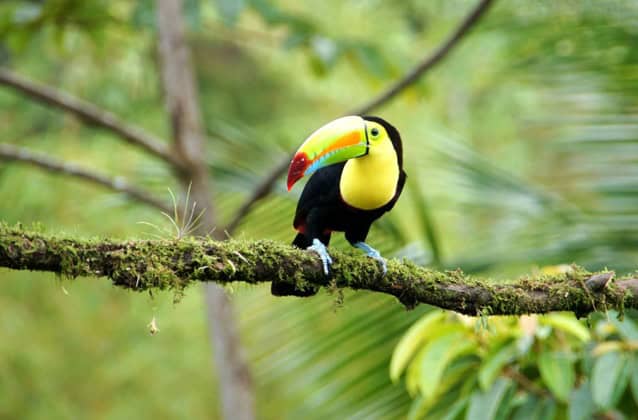
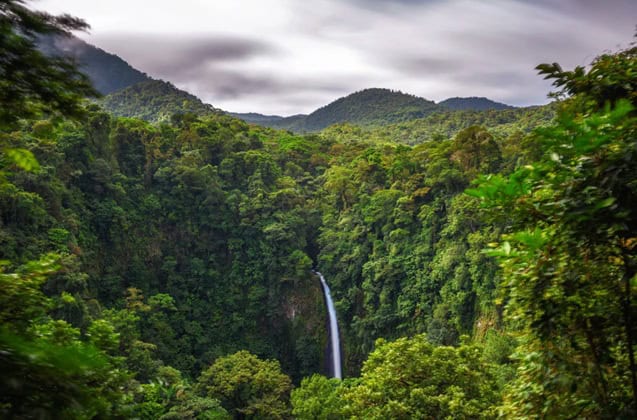
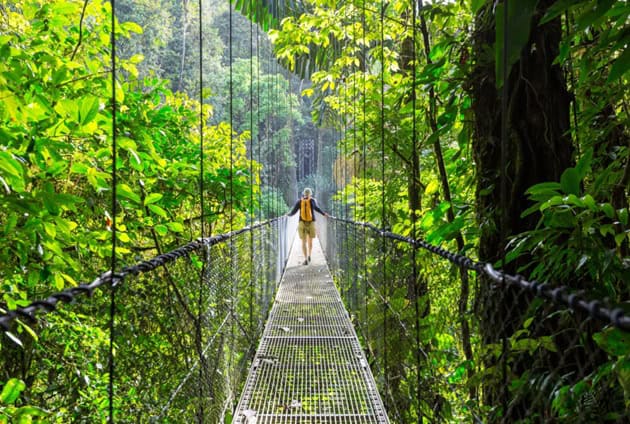
Those who are drawn to the fascinating wildlife of Costa Rica will love the Arenal/La Fortuna area. This is in northern Costa Rica, and this region is known for the famed Arenal Volcano and the lush rainforests. For retirees who like hiking, wellness, wildlife, colorful birds, and a strong sense of community, this area is a dream come true.
Southern Zone
The Southern Zone, including towns like Dominical and Uvita, is less touristy that other places. Here, life is tranquil with welcoming locals. It’s ideal for retirees seeking a slower pace, privacy, and natural surroundings. Housing tends to be more affordable here, making it a popular choice for those on a moderate budget.
Caribbean Coast
The Caribbean Coast, including Puerto Viejo and Cahuita, appeals to retirees looking for laid-back living and cultural diversity. This region is known for its Afro-Caribbean influences, relaxed lifestyle, and excellent surfing. Though the Pacific coast is more common with tourists, many retirees appreciate the slow pace and unique culture here on the Caribbean coast.
Costa Rica’s diverse regions allow retirees to choose a lifestyle that fits their needs—whether it’s the convenience of the city, the relaxation of the beach, or the adventure of the rainforest. By visiting different areas before committing, retirees can find the perfect match for their ideal retirement.
Is it Best to Buy or Rent Property in Costa Rica?
When planning to retire to Costa Rica, oftentimes medical care and location are the top considerations. However, you also need to consider if you want to buy or rent your home. There are pros and cons to both.
Renting
For people who want more flexibility and who don’t want to settle in one place for too long, renting may be the better option. A one bedroom apartment generally ranges from $500 to $800 per month, and a two bedroom apartment may go up to around $1,500 per month.
Popular urban areas, like Tamarindo, are a bit more expensive than rural areas or small towns. When moving to Costa Rica, renting also has a lower upfront cost. It’s worth noting, however, that background checks and some required documents may be necessary in order to rent. Renting is often recommended for 6 to 12 months before making a property purchase in Costa Rica.
Buying
For a retiree looking for a long-term solution and possible permanent residency, buying a home might be best. Even without having permanent residence , foreigners can buy property. Prices, of course, vary widely, but are still lower than US costs.
Pros and Cons – Renting vs. Buying
- Renting: Lower upfront costs, flexibility, less responsibility, easier to relocate.
- Buying: Builds equity, potential rental income, long-term stability, customization options.
What is the Lifestyle and Culture in Costa Rica?
Though things like the beautiful weather, Costa Rica’s economy, great health care, and low local taxes are all things that attract people to this area, the lifestyle and culture are also important.
One of the most important parts of living in Costa Rica is living the Pura Vida lifestyle. This is more than a lifestyle actually; it’s a national mindset. It’s centered on optimism, gratitude, and enjoying the simple pleasures. This means life is slow, stress is reduced, and there is a deeper connection with the environment.
Food and Dining
Food in Costa Rica is fresh, healthy, and affordable. From fresh seafood to staples like beans, rice, and fresh fruit, you will want to spend time around the table. There is easy access to local tropical fruits and vegetables, and exploring the markets brings even more enjoyment to your life.
Festivals and Traditions
Costa Rica is also known for its festivals and traditions. One of the biggest national festivals is Independence Day, which takes place each September. There are other local events, too, that help retirees enter into the community and culture.

Language and Integration
Spanish is the official language of Costa Rica, and it’s recommended that retirees make an effort to at least learn basic Spanish. Many locals do speak English, but those retirees who make an effort to learn Spanish are often accepted into their communities with open arms, specifically in smaller towns or in rural areas.
Recreation and Wellness
Costa Rica has an environment that encourages an active lifestyle. Many people who start a new life here are interested in hiking, nature, swimming, and yoga.
The culture in Costa Rica supports a balanced, fulfilling retirement lifestyle. From embracing local traditions to enjoying healthy cuisine and outdoor activities, retirees often find themselves feeling rejuvenated and more connected to life.
What are Taxes and Financial Considerations When Living in Costa Rica?
US retirees must understand taxes before they go. This is essential for a smooth retirement. Costa Rica does offer a favorable tax environment for retirees, specifically for those who have foreign income, instead of Costa Rican sourced income.
Taxation of Foreign Income
Costa Rica has a territorial tax system. This means that only income that is earned within Costa Rica is taxes. This means, you won’t get a tax bill if you only have a pension or retirement fund from the US. Additionally, the US has the Foreign Tax Credit, which means you get a credit on US taxes for the money you spend on foreign housing.
Banking and Currency
Opening a bank account as a resident of Costa Rica is just like opening a bank account anywhere. Generally, you will need to show proof of residency, a passport, and proof of reported income. The official currency in Costa Rica is the colón, but US dollars are accepted in many areas, especially where a lot of expats live.
Cost of Remittances and Exchange Rates
Those who send money abroad or transfer foreign sourced income from foreign accounts into Costa Rica should also be aware of exchange rates and transfer fees. The best way to do this is through a bank or other reliable financial institution.
What are Challenges of Retiring in Costa Rica?
There are many benefits to living in and retiring to Costa Rica. These include a comfortable lifestyle, access to amazing resources, and you will always have a place where visitors will love to visit. You can keep your Social Security benefits, you have your choice of amazing cities to live in, and when it comes to Latin and Central America, this is a top notch option.
However, as with any decision, there are some challenges that you should consider before moving.
Language Barrier
As mentioned, Spanish is the official language of Costa Rica. Many locals speak English, especially in areas where tourism is part of the local economy, but you will likely need to learn Spanish. Dealing with government officers, healthcare providers, and local services often require at least basic Spanish.
It’s also true that expats who speak Spanish often are quickly accepted into their new communities easier than others who don’t speak Spanish.
Infrastructure and Services
Outside major cities and tourist hubs, infrastructure can be limited. Roads are often poorly maintained, internet speeds are slower, and public transportation is less reliable. Retirees who are used to urban conveniences may need to adjust their expectations and plan ahead for travel or other needs.
Bureaucracy
Navigating Costa Rica’s administrative processes, such as residency applications, property registration, or healthcare enrollment, can be time-consuming. You should expect things to take time here.
Adjusting to a Slower Pace of Life
While the relaxed lifestyle is a draw for many, it can also be an adjustment. Things may move slower than you are used to. Embracing the local pace with patience is the key to enjoying life in Costa Rica fully.
Retiring in Costa Rica – A Wonderful Choice
Retiring to Costa Rica offers an incredible combination of natural beauty, affordability, and a welcoming culture. From the vibrant beaches of Guanacaste to the cooler Central Valley and tranquil Southern Zone, retirees can find a lifestyle that perfectly suits their preferences.
The country’s “Pura Vida” philosophy encourages a slower, more fulfilling pace of life, helping retirees embrace wellness, community, and adventure.
With multiple residency options such as the Pensionado and Rentista visas, legal relocation is straightforward, and affordable healthcare ensures peace of mind for long-term living.
Keep in mind that challenges such as learning Spanish, navigating bureaucracy, or adjusting to a slower pace exist, careful planning and flexibility make them manageable.
Costa Rica’s diverse regions, active expat communities, and accessible cost of living allow retirees to enjoy both comfort and exploration. Whether you dream of daily beach walks, rainforest adventures, or cultural immersion, Costa Rica provides the ideal backdrop for a secure, healthy, and vibrant retirement.
By preparing financially, understanding local systems, and embracing the lifestyle, retirees can maximize the benefits of life in this beautiful country—making Costa Rica not just a place to retire, but a place to thrive.
Frequently Asked Questions About Retiring in Costa Rica
Can foreigners buy property in Costa Rica?
Yes. Foreigners have nearly the same property rights as citizens. You can purchase homes, condos, or land without restrictions in most areas. It’s advisable to work with a local attorney to ensure clear titles and navigate any legal requirements.
Is Costa Rica safe for retirees?
Costa Rica is one of the safest countries in Latin America, with low violent crime rates. Petty theft can occur, especially in tourist areas, so standard precautions like securing valuables are recommended.
How much monthly income do I need to retire in Costa Rica?
Most retirees live comfortably on $1,500–$2,500 per month, though more luxurious lifestyles may require $3,000–$4,000 monthly. Costs vary depending on housing, region, and personal lifestyle choices.
Do I need to speak Spanish to live in Costa Rica?
While Spanish is the official language, many locals in expat-heavy areas speak English. Learning basic Spanish enhances daily life, social integration, and access to local services.
How is healthcare for expats in Costa Rica?
Retirees can access public healthcare through the Caja at affordable rates or choose private insurance for faster, personalized care. Costa Rica also attracts medical tourists due to quality services at lower costs.
What’s the best place in Costa Rica for affordable retirement?
The Southern Zone and smaller inland towns offer more affordable living compared to popular coastal areas like Guanacaste. The Central Valley provides a balance of amenities and moderate prices.

About Peter C.
Peter is a digital nomad who largely writes from Asia, Europe, and South America. Always following the "vibe," he sets up shop in hostels and AirBNB's and continues to entertain us with wild stories from life abroad. Ask him anything in our community forum. Make sure to download the AllWorld Travel Hacks FREE ebook.


