
Picture this: you’re standing on a ferry crossing between two continents, watching minarets pierce the sky as the sun sets over the Bosphorus. That’s Istanbul for you – a city that refuses to fit into neat categories, where ancient history crashes into modern life with spectacular results.
I’m writing this in February 2026, and let me tell you, Istanbul is still that magical place where east meets west, but there are some important updates you need to know before you book that flight. This guide will walk you through everything from visa requirements to the best neighborhoods, plus those insider tips that’ll save you money and hassle.
When to Visit Istanbul (And Why Timing Matters)
Here’s the truth about Istanbul’s seasons. Summer (June through August) brings gorgeous long days and buzzing energy, but you’ll also face higher prices and serious crowds at major sites. Hotel rates can jump from $80 to $120 per night, and flights cost 20-30% more than other times of year.
Spring (April-May) and fall (September-October) hit that sweet spot. The weather’s comfortable for walking those steep cobblestone streets, prices are reasonable, and you won’t spend half your visit waiting in lines. Winter is the budget traveler’s friend, with the lowest prices you’ll find all year, though you’ll need a good jacket and some rain gear.
Visa Requirements: The Easy Part
Good news if you’re from the US, Canada, or most EU countries – you can visit Turkey visa-free for up to 90 days within any 180-day period. Just make sure your passport is valid for at least six months from your arrival date.
If you’re from Australia, South Africa, China, or Mexico, you’ll need an e-Visa. It’s simple: head to evisa.gov.tr (watch out for scam sites), fill in your details, pay around $50, and you’ll get your visa by email within minutes. Print it or save it on your phone, and you’re done.
One important thing – don’t mess around with visa overstays. Turkey’s gotten stricter about this, and you could face fines or bans if you go over your allowed time.
Getting Around: Your Transportation Game Plan
Let me save you some money right here. Your first stop after landing should be getting an Istanbulkart – Istanbul’s rechargeable transit card. It costs 165 TL (about $4) and works on everything: metro, trams, buses, ferries, even the funicular. Each ride is just 27 TL with the card, compared to 40 TL for paper tickets.
You can buy it at the airport, any metro station, or kiosks around the city. Load it up with 200-500 TL depending on how long you’re staying. Trust me, this little card will be your best friend.
The tram is your go-to for hitting major tourist spots. The T1 line runs through Sultanahmet and connects you to most attractions you’ll want to see. Ferries are ridiculously cheap (same price as the metro) and give you stunning Bosphorus views – it’s basically a budget cruise.
Quick transport tips:
- Download the Istanbulkart app to check your balance and top up remotely
- Avoid rush hours (7-10am and 5-8pm) if you can – it gets packed
- Taxis are everywhere, but use BiTaksi or Uber to avoid meter games
Must-See Attractions (With Real 2026 Prices)
Let’s talk money. Istanbul isn’t the super-cheap destination it once was. Inflation has pushed prices up, and many major sites now charge in euros or dollars to stabilize pricing.
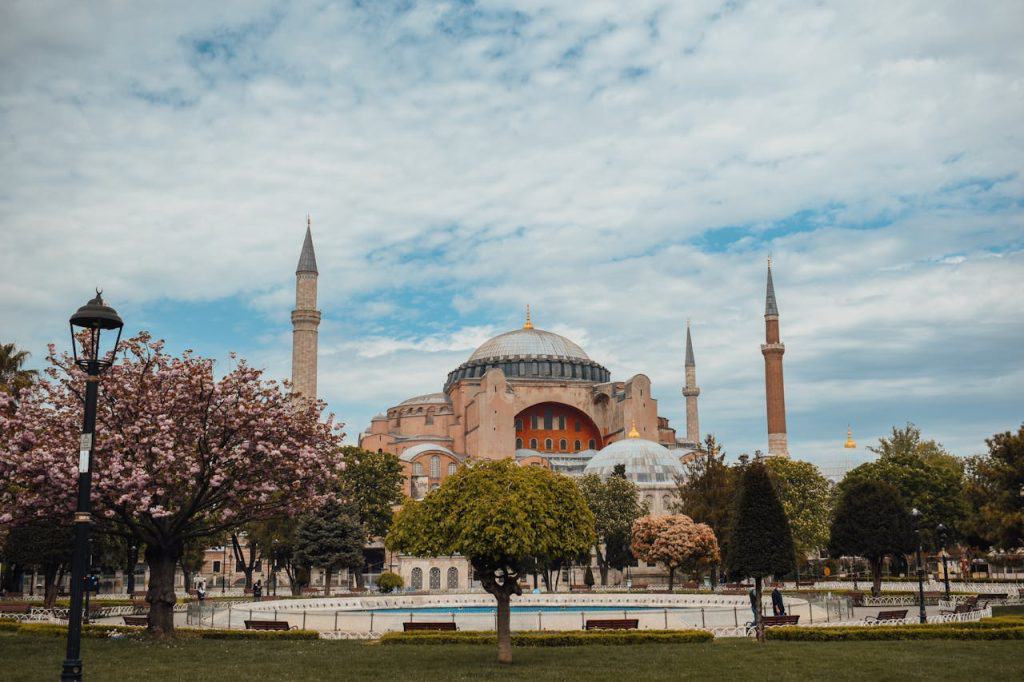
Hagia Sophia is an absolute must. Entry is 25 euros (around 1,288 TL), and yes, it’s now functioning as a mosque again, so women need a headscarf. The building is mind-blowing – those massive domes and Byzantine mosaics have survived over 1,500 years.
Topkapi Palace runs about 1,500 TL for the main palace, plus another 700 TL if you want to see the Harem (do it – it’s the most beautiful part). The Blue Mosque is free since it’s an active mosque, just time your visit outside prayer times.
The Basilica Cistern costs 1,500 TL during the day (2,400 TL for evening visits). Those ancient columns rising from the water create an almost otherworldly atmosphere. Get there early to avoid the tour groups.
If you’re planning to hit multiple sites, check out the Istanbul Museum Pass. It’s not the bargain it used to be since it excludes Hagia Sophia and the Basilica Cistern, but calculate your itinerary first – it might still save you money.
Where to Stay: Neighborhood Breakdown
Sultanahmet puts you right in the historic center, walking distance to all the big sites. Expect to pay 4,000-5,000 TL per night for mid-range hotels. It’s convenient but touristy – you’ll be surrounded by other visitors rather than local life.
Beyoğlu and Karaköy are where I’d stay if I were you. These neighborhoods have great restaurants, cool cafes, vintage shops, and actual Istanbul residents going about their lives. Hotels run 3,500-4,500 TL per night, and you’re still well-connected to everywhere via tram and metro.
Kadıköy on the Asian side is perfect if you want a more local vibe. It’s cheaper (2,500-3,500 TL per night), has fantastic food markets, and the ferry ride across to Europe is part of the fun.
Budget travelers should check out hostels in Beyoğlu – dorm beds start around 750 TL, and many have great common areas where you’ll meet other travelers.
Food: Where Your Money Goes Furthest
Street food is still incredibly affordable and delicious. A simit (sesame bread ring) costs maybe 20-30 TL from street vendors. Grab a döner or dürüm for 150-280 TL – filling, tasty, and you’ll eat like a local.
For sit-down meals, look for “Esnaf Lokantası” – workers’ restaurants. These places serve home-cooked Turkish food for 280-400 TL per person. The daily specials are usually your best bet.
Want something fancier? A proper restaurant meal with meze, main course, and drinks will run 1,200-1,500 TL per person. Waterfront restaurants in Ortaköy or along the Bosphorus charge more but offer incredible views.
Don’t leave without trying:
- Baklava from Hafiz Mustafa (around 232 TL for 4 pieces with tea)
- Fresh fish sandwiches by the Galata Bridge
- Turkish breakfast (kahvaltı) – it’s a feast
Private Tours vs. Going Solo
Here’s where I’ll be honest with you. Istanbul can feel overwhelming, especially on your first visit. The city’s massive, signs aren’t always in English, and the history goes back thousands of years.
While you can absolutely explore on your own using this guide and a good map app, many travelers find that joining a private Istanbul tour for at least one day makes a huge difference. A knowledgeable guide can navigate you past the worst crowds, explain the stories behind what you’re seeing, and handle all the logistics while you focus on soaking it all in.
The costs have gone up (guides need to keep pace with inflation too), but the insight you gain – especially for complex sites like Topkapi Palace or when exploring the Grand Bazaar – often makes it worthwhile. Just book through reputable companies and read recent reviews.
Practical Tips That Actually Matter
Budget-wise, plan for 2,500-3,500 TL per day for a comfortable mid-range experience. This covers decent accommodation, three meals mixing street food and restaurants, transport, and one major attraction.
Istanbul is safe for tourists. Use common sense in crowded places like the Grand Bazaar or metro – keep your bag in front of you and watch for pickpockets. The locals are generally helpful and friendly.
Cash still rules for small purchases. Bring some Turkish Lira for street food, taxis, and small shops, but your credit card works fine at hotels and restaurants. Exchange money at the Grand Bazaar exchange offices (Döviz Bürosu) for the best rates – skip the airport.
Dress modestly when visiting mosques. Women should bring a scarf for covering hair, and everyone should wear long pants or skirts that cover knees.
Download offline maps before you go. WiFi is common, but having offline access saves you when you’re lost in a side street.
Final Thoughts: Is Istanbul Worth It in 2026?
Even with higher prices, Istanbul delivers. Where else can you start your day in a 1,500-year-old church, lunch on fresh fish between continents, explore a palace where sultans ruled empires, and end your evening watching whirling dervishes perform a 800-year-old spiritual ceremony?
Yes, you need to budget more carefully than in the past. Yes, you should book major attractions in advance. But the city’s magic hasn’t disappeared with the price increases – it’s just evolved, like Istanbul has been doing for centuries.
Pack comfortable walking shoes (this is non-negotiable), bring an open mind, and prepare yourself for a city that’ll challenge everything you thought you knew about the division between Europe and Asia, ancient and modern, traditional and contemporary.
Ready to book that flight? Istanbul’s waiting, and trust me, it won’t disappoint. Just remember – this city’s been around for over 2,600 years. It knows how to leave an impression.

About Peter C.
Peter is a digital nomad who largely writes from Asia, Europe, and South America. Always following the "vibe," he sets up shop in hostels and AirBNB's and continues to entertain us with wild stories from life abroad. Ask him anything in our community forum. Make sure to download the AllWorld Travel Hacks FREE ebook.


