The sudden, violent noise of a blown tyre or the sickening crunch of metal against metal triggers an instant, overwhelming spike in adrenaline. Your heart races and your focus narrows, making it difficult to think clearly just when you need to make critical decisions.
We often assume we will rise to the occasion, but the difference between a manageable inconvenience and a life-threatening situation usually depends on the specific actions you take in those first sixty seconds. You need to override this natural panic response with a calm, rehearsed mental checklist that prioritises human life over preserving your vehicle.
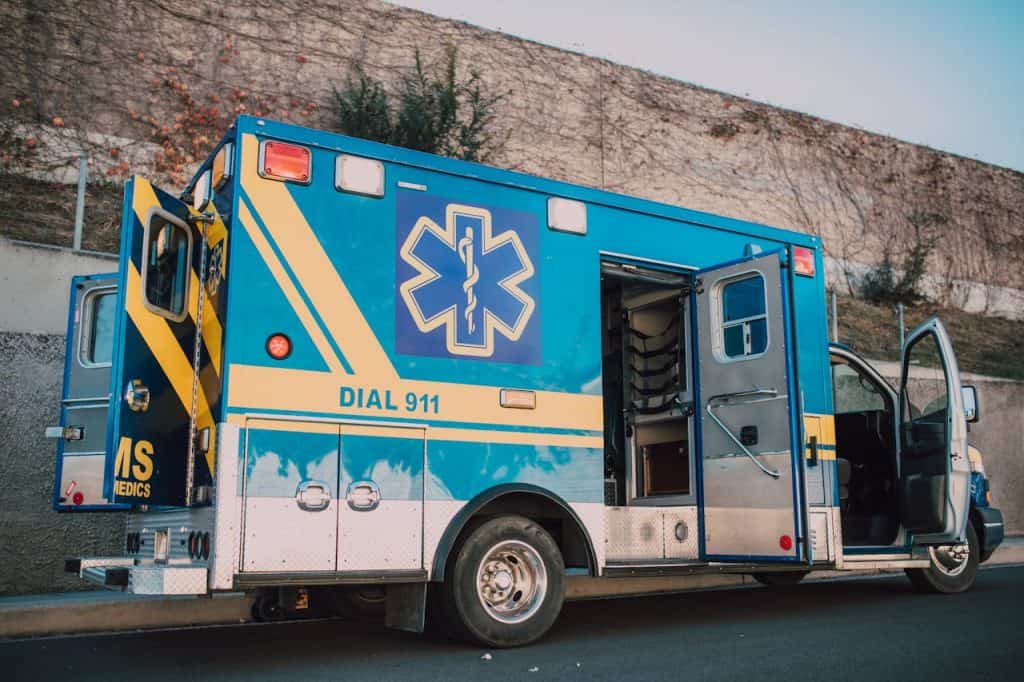
Securing the immediate area
Your immediate environment dictates your safety strategy. On a quiet country lane, other drivers need advanced warning to avoid colliding with your stationary vehicle, so placing a warning triangle at least 45 metres behind your car gives them enough time to brake.
Motorways require a completely different approach because high-speed traffic poses a lethal risk to pedestrians. You must never attempt to place a warning triangle on a motorway. Instead, pull onto the hard shoulder, turn your wheels to the left, and exit immediately from the passenger side, so that if another vehicle strikes your car, the impact pushes it away from you rather than into the flow of traffic.
Exchanging the correct details
The law is clear regarding your obligations after a collision, however minor the damage appears. You must stop immediately and provide your name, address and vehicle registration number to anyone with reasonable grounds to ask for them. Fumbling for paperwork increases stress, so saving your car insurance policy number on your phone ahead of time streamlines this process significantly.
Providing these details promptly satisfies your legal requirements and helps de-escalate potential confrontation at the scene.
Gathering evidence for the claim
Liability disputes often arise once the adrenaline fades, so objective evidence protects your position. Before anyone moves the vehicles, and only if the location allows you to stand safely away from traffic, taking photographs that capture the damage, road layout and weather conditions creates an undeniable record of the event. Independent witnesses often leave quickly to continue their journeys, so recording their contact details immediately prevents you from losing vital supporting testimony.
In more serious situations, consulting a car accident lawyer can help you understand your legal rights and ensure you handle claims and liability correctly.
Waiting safely for assistance
Staying inside a stationary car on a high-speed road leaves you vulnerable to collisions from behind, as fatigue or distraction causes other drivers to drift. You and your passengers remain safest by waiting behind the crash barrier, positioned well away from the traffic and upstream of your vehicle.
Keeping a breakdown kit stocked with high-visibility jackets, foil blankets and water ensures everyone stays warm, visible and hydrated while you wait for recovery services to arrive.

About Peter C.
Peter is a digital nomad who largely writes from Asia, Europe, and South America. Always following the "vibe," he sets up shop in hostels and AirBNB's and continues to entertain us with wild stories from life abroad. Ask him anything in our community forum. Make sure to download the AllWorld Travel Hacks FREE ebook.