
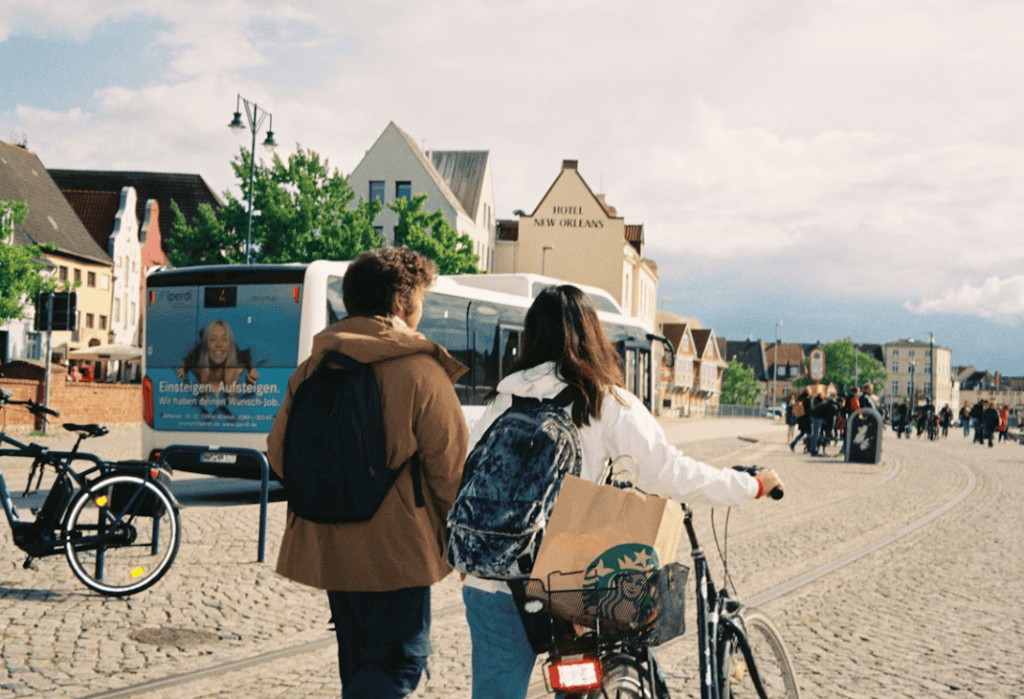
Travel in Eastern Europe often surprises people not because of what they see, but because of how they feel while being there. Trains don’t just connect cities — they stretch time. Cafés don’t rush you out — they let you sit. Streets don’t try to impress — they slowly reveal themselves.
The same rhythm shows up in how people relate to one another. Conversations don’t jump straight to conclusions. Silence is not something to avoid. Attention is given carefully, not scattered. You start to realize that this part of the world doesn’t treat connection as something to consume. It treats it as something to grow.
This is why so many travelers say that Eastern Europe feels different. Not louder. Not brighter. Just more present. And once you notice that rhythm in the streets, you begin to notice it in people too — especially in how relationships and dating tend to unfold.
Why Eastern Europe Moves at a Different Pace
Eastern Europe is not built around urgency. It is built around continuity. Cities here have lived through centuries of change, and that history is still visible in how daily life works. People are used to adapting, waiting, and paying attention. That mindset quietly shapes everything, from how a waiter brings your coffee to how someone listens when you speak.
Instead of speed, there is flow. Instead of efficiency, there is presence. You might notice it in small things — a bus driver who waits for a late passenger, or a shopkeeper who asks how your day is going and actually listens to the answer.
This pace affects visitors in subtle ways:
- You stop checking the time every few minutes.
- You become more aware of where you are.
- You begin to notice people instead of just places.
- You feel less pressure to perform or impress.
In this environment, interactions feel less transactional. You are not just another customer or passer-by. You are someone sharing a moment in the same space. That alone changes how communication feels.
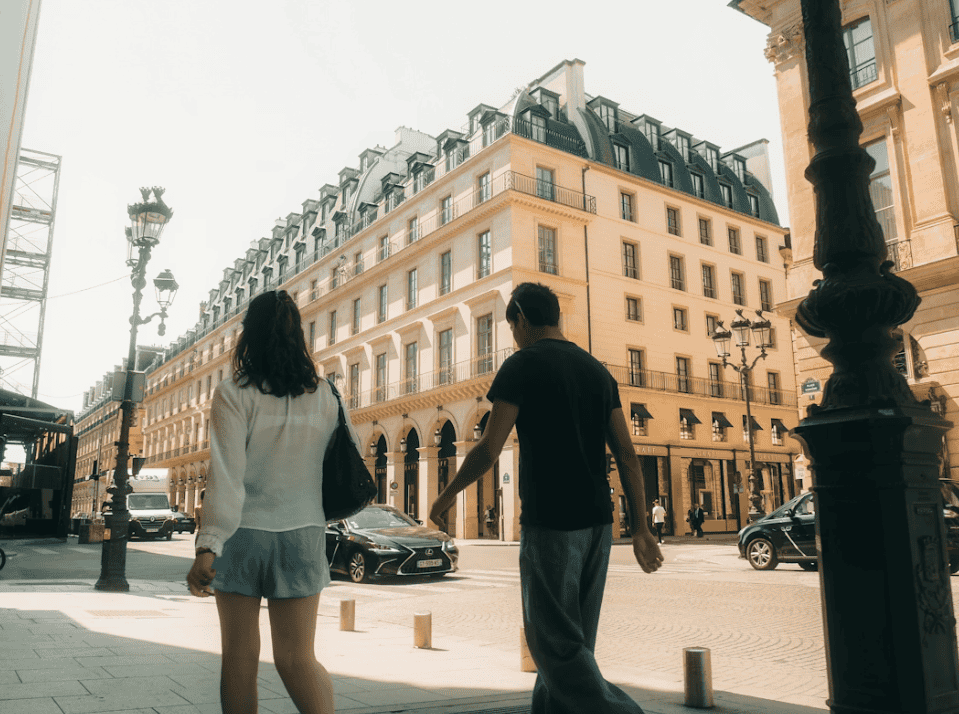
Ukrainian Dating in a Culture That Doesn’t Rush
When people talk about Ukrainian dating, they often imagine something exotic or unfamiliar. In reality, it usually feels surprisingly natural — especially if you have already noticed the rhythm of travel in this part of the world. The same patience you experience in a slow café in Lviv or during a long train ride across the country shows up in how people build romantic connections.
Dating here is rarely about fast emotional peaks. It is more about paying attention over time. Conversations unfold gradually. People ask about everyday life, not just big dreams. They notice patterns instead of chasing excitement.
Platforms that respect this rhythm, such as j4l.com, tend to create a very different kind of online dating experience. Instead of pushing people to constantly search for the next match, they support ongoing conversations. You start to notice how someone writes, how they respond, how they handle pauses. Over time, this reveals much more than a profile ever could.
Here are a few ways Ukrainian dating often reflects the broader cultural pace:
- Conversations develop slowly, without pressure to move too quickly.
- Emotional interest shows up through consistency rather than intensity.
- Silence or gaps in communication are normal and not taken personally.
- Trust builds through ordinary, repeated interaction.
This makes dating feel less like a performance and more like a process you are simply part of.
How Slow Travel Changes the Way People Talk to Each Other
Slow travel does something interesting to conversation. When you are not rushing from one attraction to the next, you stop collecting experiences and start living inside them. And when that happens, the way you talk — and listen — changes.
In Eastern Europe, this often leads to conversations that feel unusually grounded. People do not interrupt as much. They do not fill every pause. They let thoughts settle before responding. You might find yourself speaking more slowly too, choosing words more carefully.
There are a few reasons this happens:
- When the environment is calm, people feel less defensive.
- When no one is in a hurry, there is space for real attention.
- When silence is accepted, honesty feels safer.
- When routines are simple, conversations become more meaningful.
Over time, this creates a different emotional tone. Instead of trying to be interesting, people start being real. Instead of trying to move things forward, they let them unfold.
This is where travel in Eastern Europe begins to resemble the way relationships form here — not through excitement, but through presence.
When Journeys and Relationships Begin to Feel Alike
After spending time in Eastern Europe, many travelers realize something quietly important: moving through these countries and getting to know someone here often feel surprisingly similar. Both require patience. Both reward attention. Both unfold in ways you cannot fully plan.
Travel teaches you to observe rather than rush. Relationships here do the same. You begin to understand that not every meaningful moment announces itself loudly. Some of the most important ones arrive quietly, through shared time and simple presence.
A small comparison
| Travel in Eastern Europe | Ukrainian Dating |
| Moves at a slower, steadier pace | Relationships develop gradually |
| Silence feels natural | Pauses in communication are normal |
| Small details become meaningful | Actions matter more than words |
| Time creates understanding | Consistency builds trust |
This parallel is not accidental. Both are shaped by the same cultural rhythm — one that values presence over urgency.
What Ukraine Reveals About Attention, Time, and Connection
Ukraine often leaves travelers with a strange feeling they cannot quite name. It is not just the food, the architecture, or the landscapes. It is the way people seem to be fully where they are. When someone talks to you, their attention does not drift. When they ask a question, they usually wait for the real answer..
Instead of trying to control every outcome, people often focus on how things feel while they are happening. That makes interactions softer, more patient, and more human. Over time, you start to notice that this way of relating shows up everywhere — in how strangers help you, in how friends talk, and in how connections slowly form.
Cities That Invite You to Stay a Little Longer
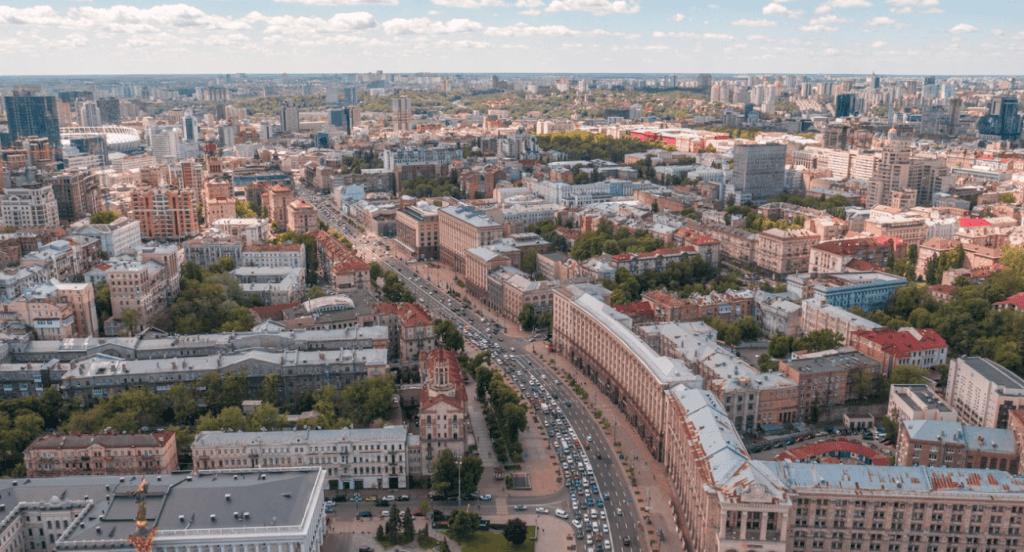
Ukrainian cities do not rush you through them. Lviv’s narrow streets, Kyiv’s river walks, and Odesa’s cafés all seem designed for lingering. You can sit for hours with a cup of coffee or take a slow walk without feeling that you should be somewhere else.
This affects how people meet and talk. When places invite you to stay, conversations have time to deepen. There is no pressure to wrap things up quickly. You might start talking about something simple and end up sharing something unexpectedly personal.
In these cities, connection grows the way travel here does — step by step, without a strict schedule.
Why Silence Feels Natural Here, Not Awkward
In many cultures, silence is uncomfortable. It feels like something is going wrong. In Ukraine, silence is often just part of being together. Two people can sit, walk, or travel without constantly filling the space with words.
This makes conversations feel more honest. When someone speaks, it is usually because they have something to say — not because they are afraid of a pause. Over time, this creates a sense of emotional safety. You do not have to perform. You can simply be present.
That is one of the reasons why connections here often feel calmer and more grounded.
The Role of Everyday Rituals in Building Trust
Small, repeated actions matter a lot in Ukrainian culture. Morning coffee, evening walks, regular phone calls, shared meals — these rituals quietly create stability. They show that someone is there, again and again.
Trust does not come from promises. It comes from seeing the same person show up in ordinary moments. This applies not only to family and friendships, but also to romantic connections.
FAQ
Does slow travel mean things move too slowly?
Not at all. It simply means that experiences are allowed to develop fully. Instead of rushing from one highlight to another, you have time to notice what actually matters. Many people find this makes both travel and relationships feel richer, not slower.
Why does communication feel different in Ukraine?
Because attention is treated as something meaningful. People tend to listen carefully and speak thoughtfully. This creates conversations that feel calm and sincere, rather than rushed or performative.
Is this approach better for serious relationships?
For many, yes. When communication is steady and pressure is low, it becomes easier to see who someone really is. Trust forms through repetition and reliability, which are often more important than intensity.
Can online dating fit into this slower rhythm?
It can, especially on platforms that encourage real dialogue instead of endless swiping. When a space allows conversations to continue naturally, online dating can reflect the same calm, thoughtful pace that characterizes Ukrainian dating and travel in this region.

About Peter C.
Peter is a digital nomad who largely writes from Asia, Europe, and South America. Always following the "vibe," he sets up shop in hostels and AirBNB's and continues to entertain us with wild stories from life abroad. Ask him anything in our community forum. Make sure to download the AllWorld Travel Hacks FREE ebook.


