
Where is Yemen Located
Yemen sits at the southern tip of the Arabian Peninsula, anchoring one of the world’s most strategic maritime chokepoints. It borders Saudi Arabia to the north and Oman to the east, with long coastlines along the Red Sea and the Gulf of Aden to the west and south. Across the narrow Bab el-Mandeb Strait lies the Horn of Africa, connecting the Red Sea to the Indian Ocean.
Map it out: key reference points
- Capital and political context: Sana’a is Yemen’s historic (de jure) capital, while Aden has served as the interim seat of government in recent years. Travelers researching official processes will see both cities referenced in government and news sources.
- The Red Sea coast: Running along the Tihama plain, this stretch is historically linked with trade routes that once funneled coffee from the port of Mocha, yes, the same “mocha” that lent its name to coffee drinks worldwide.
- The Gulf of Aden: Yemen’s southern coastline faces vital shipping lanes used by vessels transiting between Asia, the Middle East, and Europe.
- The Empty Quarter fringe: To the north and northeast, Yemen brushes the Rub’ al Khali (Empty Quarter), the vast desert that defines the interior of the peninsula.
The Islands: Socotra and beyond
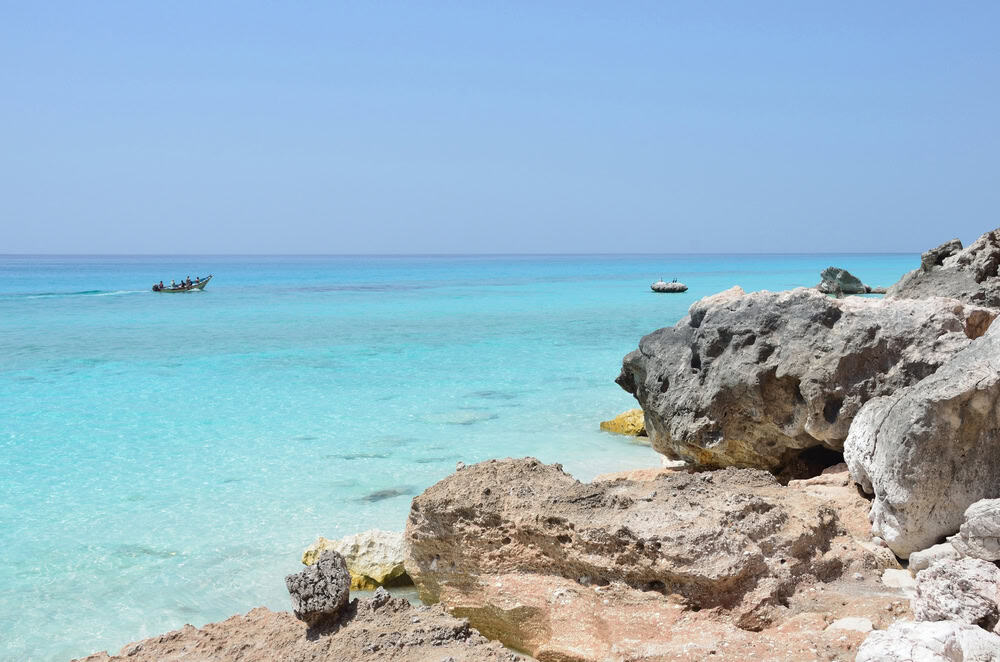
Yemen’s territory extends offshore, most famously to the Socotra Archipelago in the Arabian Sea, about 350 km (220 miles) off the mainland. Socotra’s alien-looking dragon’s blood trees, luminous beaches, and rugged massifs make it a bucket-list place for nature lovers. In practice, but, access has often been limited to controlled flights organized through licensed operators, and seasonal winds can restrict sea approaches. Always check current advisories before attempting any routing.
Why location matters for travel planning
- Safety and routing: Yemen’s position across multiple maritime and desert corridors has made it central to trade, and, in recent years, to conflict dynamics. Most Western governments currently advise against travel to Yemen. Anyone exploring things to do in Yemen should start by reviewing their country’s latest travel advisory and speaking to specialist operators.
- Cultural crossroads: The country’s location fostered a blend of Arab, African, and Indian Ocean influences. That’s why travelers read about the mudbrick Manhattan of Shibam (Hadramawt), the centuries-old suqs of Sana’a and Zabid, towering mosques like Al Saleh, and centuries of incense, coffee, and spice trade heritage. When conditions permit, these are the experiences people most often seek.
Do You Need a Passport for Yemen
Yes. A valid passport is mandatory for entry to Yemen, and travelers should plan for significant lead time. Visa policies and entry procedures can change with little notice due to the security situation.
Passport basics
- Validity: Most travelers are advised to have at least six months of validity beyond the date of entry, plus blank pages for stamps and visas.
- Condition: Torn, water-damaged, or heavily worn passports can create problems at checkpoints. Given Yemen’s layered controls, a pristine passport helps.
Visa and permits: what to expect
- Visa required: Nationals of most countries must obtain a visa before arrival. Yemen has, at various times, suspended or limited visa-on-arrival: plan as though pre-arranged visas are required.
- Where to apply: In many cases, travelers work through Yemeni embassies/consulates abroad or through authorized, Yemen-experienced tour operators who coordinate with local authorities. Processing times vary widely.
- Internal permits: Depending on the region, additional permits and security clearances may be necessary. These are usually arranged by vetted local partners.
- Socotra specifics: Access to Socotra is often arranged via chartered or limited-schedule flights, historically via the UAE. Operators typically bundle entry permissions, local permits, and logistics into one package. These arrangements can change seasonally and with policy: prospective visitors should contact reputable, specialized operators for the latest.
Special considerations and restrictions
- Israeli stamps and evidence of travel: Yemen does not have diplomatic relations with Israel. Travelers with Israeli visa or entry stamps, or electronic travel history indicating recent travel to Israel, may be denied entry.
- Recent changes and checkpoints: Expect multiple ID checks. Keep printed copies of your visa authorization, operator contacts, and emergency consular details.
- Health documentation: Depending on the traveler’s origin, proof of yellow fever vaccination can be required. Routine immunizations and regionally recommended vaccines (e.g., typhoid, hepatitis A) are generally recommended, consult a travel clinic well in advance.
Insurance and advisories
- Travel insurance: Comprehensive coverage that clearly includes evacuation from conflict zones is essential, and many standard policies exclude Yemen. Read the fine print.
- Government guidance: As of late 2025, most Western governments (including the U.S. and U.K.) maintain “Do Not Travel” advisories for Yemen due to conflict, terrorism, kidnapping, and civil unrest. If travel is contemplated, it should be with expert operators who provide security-informed itineraries.
Planning around experiences
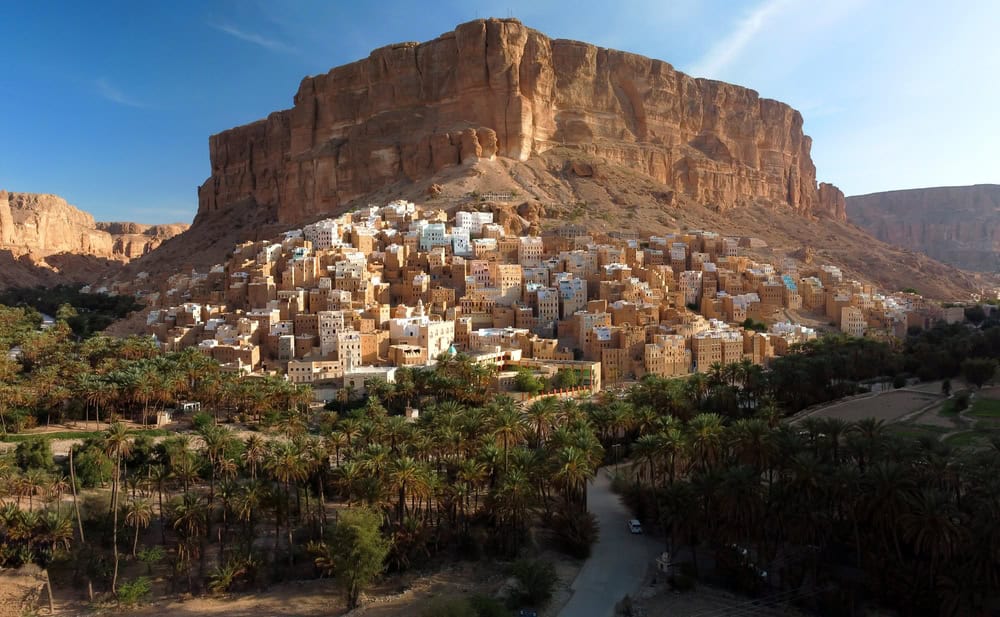
Those researching things to do in Yemen often have a short list: the Old City of Sana’a (UNESCO), Shibam’s mud towers (UNESCO), the historic town of Zabid (UNESCO), and Socotra’s dunes, canyons, and reefs. In current conditions, overland tourism to mainland sites is generally not feasible for most travelers. Socotra has been the exception when limited, controlled access is available. In other words, paperwork and permissions are not formalities, they’re the backbone of whether a trip can happen at all.
What is the Weather Like in Yemen
Yemen’s weather is far from one-note. The country spans humid coasts, temperate highlands, austere deserts, and monsoon-washed islands, so conditions can swing sharply within a few hundred miles. Timing a trip around weather windows is key, especially for outdoor-focused plans like Socotra trekking or coastal diving.
Regional climate snapshots
- Tihama (Red Sea coast): Hot and humid most of the year, with summer heat that can feel extreme. Coastal towns experience sultry nights and a long warm season.
- Central and western highlands (e.g., Sana’a, Ibb, Taiz): Much cooler than the coast thanks to elevation. Daytime temperatures are pleasant for much of the year: nights can turn crisp, even chilly at higher altitudes. These areas get seasonal rains, often two peaks tied to spring and late-summer patterns, bringing green terraces and occasional flash-flood risks.
- Eastern deserts (Hadramawt and beyond): Arid and hot, with large diurnal swings. Daytime heat can be severe from late spring through early autumn: nights cool off quickly.
- Socotra Archipelago: A climate all its own. Powerful summer monsoon winds (roughly June to September) often make sea access unsafe and can disrupt flights: shoulder months can be gusty. The prime visitation window typically runs from about October through April, when seas tend to calm, skies clear, and hiking, snorkeling, and camping are at their best.
Best times for popular experiences
- Socotra trekking, beaches, and reefs: October to April usually offers the most reliable conditions for hiking to dragon’s blood tree plateaus, camping on dunes, and snorkeling in clearer waters. Even then, microclimates vary, guides adjust routes to wind and swell.
- Highlands culture and architecture (Sana’a, Shibam, Zabid): Cooler, drier months are more comfortable for walking tours, think late fall, winter, and early spring. Summer afternoons can be warm, but elevation helps.
- Desert photography in Hadramawt: Winter light and cooler mornings provide better comfort and clarity. Dust and heat haze are common in hotter months.
Weather planning tips
- Layer up: Visitors are often surprised that a country associated with deserts can deliver sweater weather at night. Bring breathable layers for highlands and wind protection for islands.
- Hydration and sun: UV levels are high year-round, particularly in arid and coastal zones. Electrolytes, sunblock, and a hat aren’t optional.
- Rain and roads: Seasonal rains can lead to flash flooding that disrupts routes. Operators monitor conditions closely and may pivot itineraries on short notice.
Connecting weather to the “things to do” list
Weather isn’t just background, it dictates what’s feasible. If the summer monsoon is roaring across Socotra, cliff hikes and boat trips may be off the table. If spring rains green the highlands, terrace walks and photography can be spectacular (security permitting). For travelers building a dream list of things to do in Yemen, wandering Sana’a’s gingerbread-like tower houses, tracing coffee history in Mocha, or camping beneath star-swept skies on Socotra, matching ambitions to the right seasonal window is half the art.
Bottom line: Yemen’s climates are diverse and dramatic. The best experiences typically cluster in the cooler, drier months, with Socotra shining from late fall through spring. Always pair seasonal planning with real-time security and access checks before committing to dates.

About Peter C.
Peter is a digital nomad who largely writes from Asia, Europe, and South America. Always following the "vibe," he sets up shop in hostels and AirBNB's and continues to entertain us with wild stories from life abroad. Ask him anything in our community forum. Make sure to download the AllWorld Travel Hacks FREE ebook.


