
Portugal’s climate, cultural calendar, and varied geography make it a destination with year-round appeal, yet the experience can differ significantly depending on the season and region. From mild coastal winters to sun-drenched southern summers and vibrant festivals spread across the calendar, the country offers conditions suitable for travelers with a wide range of interests. Many visitors exploring structured itineraries consider tours to Portugal when comparing seasonal highlights, as these organized routes often reflect how weather patterns and cultural events shape travel logistics. Understanding Portugal’s annual rhythms helps clarify the best time to explore its landscapes, cities, and traditions.
Portugal’s distinctive climate is influenced by the Atlantic Ocean, which moderates temperatures along the coast while creating more varied conditions inland. Regions such as the Alentejo experience warmer and drier summers, whereas mountainous northern areas may see cooler temperatures and occasional winter snowfall. These contrasts mean that preferred travel months often depend on activities—urban exploration, beachgoing, hiking, cultural immersion, or festival attendance. By examining Portugal’s seasons individually, travelers can better determine when specific regions offer their most comfortable or culturally dynamic conditions.
Festivals and public celebrations further shape the travel experience, ranging from historic religious processions to contemporary arts gatherings. These events provide insight into Portugal’s social traditions and are often tied to regional identity, climate, or agricultural cycles. Aligning a visit with such occasions can add a deeper layer of cultural understanding, though it may also affect accommodation availability and local crowd levels. An informed perspective on both climate and cultural calendars results in more effective planning and more meaningful travel.
Spring: ideal temperatures and vibrant renewal
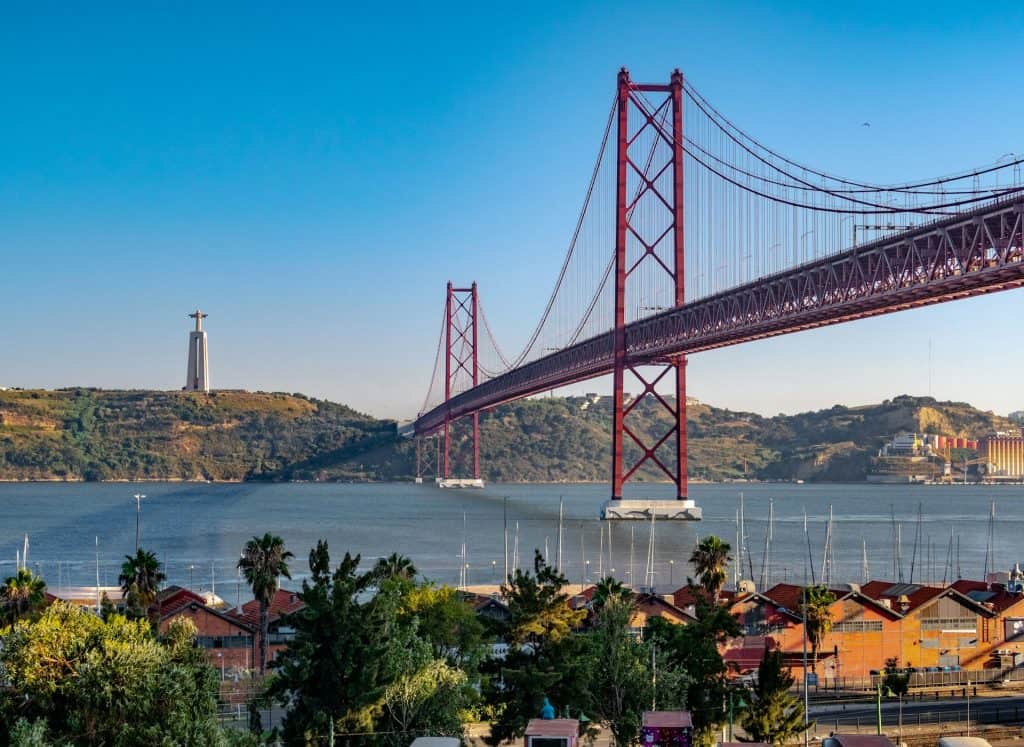
Spring, from March to May, is widely considered one of the most balanced seasons for visiting Portugal. Temperatures across the country are mild, generally ranging from the mid-teens to low twenties Celsius, creating ideal conditions for outdoor exploration. Coastal regions such as Lisbon, Cascais, and Porto benefit from fresh breezes and increasing sunshine, while inland areas warm gradually without reaching the intensity of summer.
This season is particularly notable for its floral landscapes, especially in regions like the Alentejo and the Douro Valley. Vineyards begin to show early growth, and rural areas display wildflowers that accentuate the contours of rolling hills. These natural elements make spring an appealing time for scenic drives, hiking routes, or photography-focused itineraries.
Spring also hosts several culturally significant events, including Easter processions and local celebrations that vary by city. Braga’s Semana Santa is one of the most recognized, attracting both observers and researchers interested in historical religious traditions. Such events reflect longstanding communal practices and provide a window into regional expressions of Portuguese identity.
Summer: coastal energy and long days
Portugal’s summer, from June to August, brings warm weather, extended daylight hours, and a lively atmosphere, especially in coastal regions. Temperatures commonly rise to around 30°C or more in the south, making the Algarve a popular destination for beachgoers. Its limestone cliffs, sheltered coves, and clear waters create ideal conditions for swimming and coastal walks, though inland areas may experience significantly higher heat.
Lisbon and Porto remain active throughout the season, hosting open-air concerts, festivals, and cultural programs that highlight local music, food traditions, and contemporary arts. Cities tend to be busier during these months, and advance planning is often necessary when attending major events or visiting well-known historical sites.
In the northern interior, the summer warmth supports agricultural cycles, including early harvesting activities in the Douro region. The combination of steep terraces, river views, and seasonal labor patterns provides unique observational opportunities for those interested in cultural landscapes. While summer is one of the most popular travel periods, it also brings higher visitor concentrations, especially in coastal areas and national parks.
Autumn: harvest season and comfortable exploration
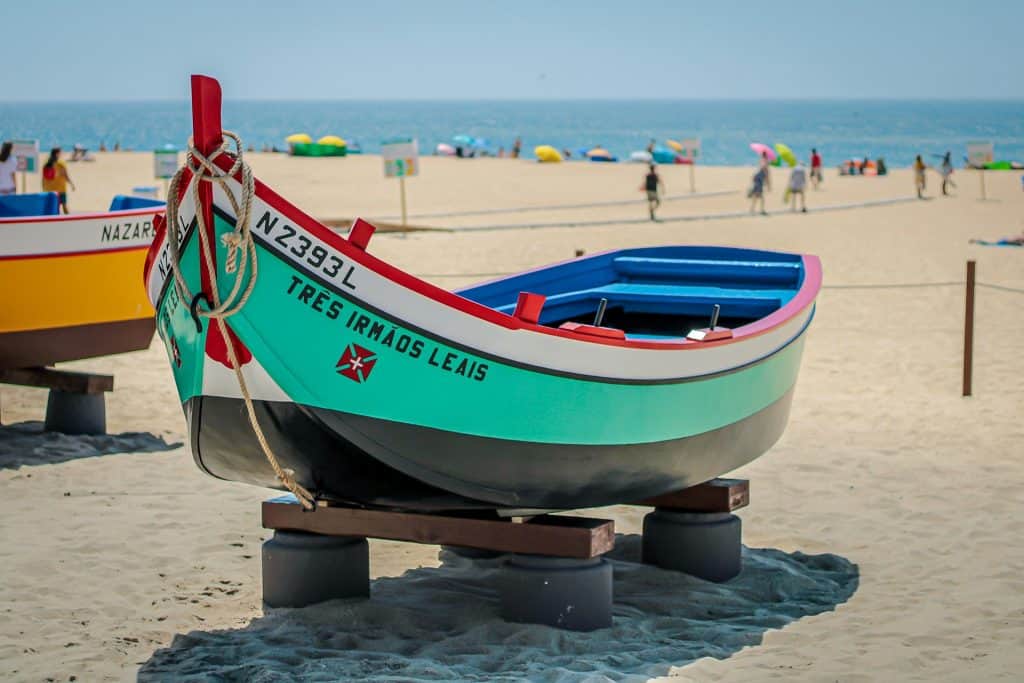
Autumn, from September to November, is another highly favorable season for visiting Portugal. Temperatures remain warm in early autumn, gradually cooling as the season progresses, and the combination of sunlight and crisp air creates comfortable conditions for extended exploration. Rainfall begins to increase in late October, particularly in the north, though it rarely disrupts travel significantly in the early part of the season.
The Douro Valley becomes a focal point during the harvest period, with vineyards turning shades of gold and red. This seasonal transformation offers insight into agricultural cycles and the long-standing traditions associated with grape cultivation and production. The visual contrast between terraced hillsides and the river is especially striking during this period.
Urban areas also experience a shift in atmosphere. Cultural institutions often launch new exhibitions and performance seasons in the autumn, and cities such as Coimbra, Guimarães, and Lisbon host academic, artistic, and literary events. These opportunities make autumn appealing for travelers seeking a combination of mild weather and cultural depth.
Winter: mild coasts and atmospheric cities
Winter in Portugal, from December to February, varies substantially between coastal and inland regions. Coastal cities maintain relatively mild temperatures, often averaging between 10°C and 15°C, making them suitable for visitors who prefer cooler climates. Lisbon and Porto are particularly atmospheric during this period, with quieter streets, shorter queues at cultural sites, and seasonal markets that illuminate historic districts.
Inland and northern regions may experience colder conditions, including snowfall in the Serra da Estrela mountains. This highland area offers Portugal’s only consistent winter snow environment and provides opportunities to observe how local communities adapt to seasonal variations in an otherwise temperate country. These conditions also highlight Portugal’s lesser-known mountain culture and its associated traditions.
Winter is also a period of culturally significant celebrations, including Christmas festivities and New Year traditions with roots in communal gatherings. While the season is quieter for beach activities, it offers a reflective and historically oriented travel experience.
Festival highlights throughout the year
Portugal’s festival calendar reflects its diverse cultural influences and regional identities. Events vary widely in focus—from religious processions to music, contemporary arts, literature, and food traditions. Notable celebrations include Carnival (held in February or early March), Lisbon’s Festas de Santo António in June, the São João Festival in Porto, and various medieval fairs that occur in towns such as Óbidos during summer and early autumn.
These gatherings illustrate how local customs have evolved while retaining strong symbolic connections to community life. For travelers, aligning an itinerary with a festival can provide deeper cultural context, though it may require additional planning to navigate increased demand for transportation and accommodation.
Planning tips by season and interest
Selecting the best time to visit Portugal depends on individual priorities. Mild-weather exploration is most comfortable in spring and autumn, while summer appeals to those drawn to coastal environments and vibrant urban festivals. Winter provides a quieter experience ideal for cultural study and city-focused itineraries.
Travelers interested in rural landscapes may find spring and autumn particularly rewarding due to stable temperatures and seasonal visual changes. Those focusing on architecture and museum visits can enjoy these activities year-round, as major cities maintain active cultural programming across all seasons.
Understanding how Portugal’s climate and cultural events align throughout the year allows travelers to construct itineraries that reflect both personal interests and regional characteristics. Whether visiting historic cities, coastal environments, or inland landscapes, each season contributes uniquely to the country’s evolving travel experience.

About Peter C.
Peter is a digital nomad who largely writes from Asia, Europe, and South America. Always following the "vibe," he sets up shop in hostels and AirBNB's and continues to entertain us with wild stories from life abroad. Ask him anything in our community forum. Make sure to download the AllWorld Travel Hacks FREE ebook.


