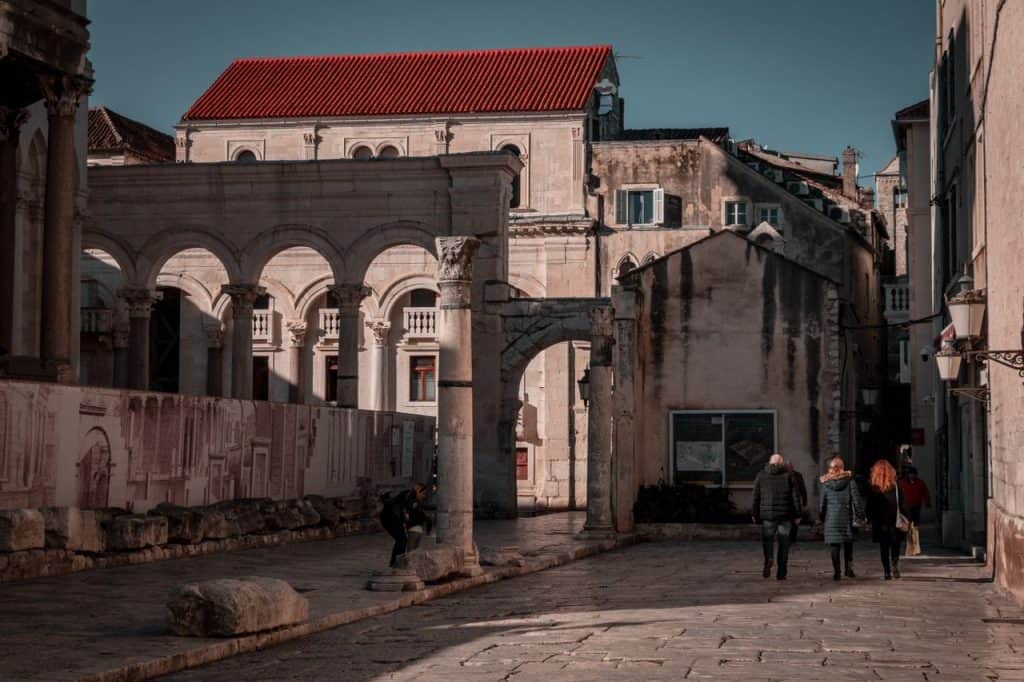
Split Old Town often makes a strong first impression. Stone lanes lead into busy squares, Roman walls sit beside modern cafés, and the sea is only a short walk away. Yet the real charm of this part of Split often becomes clearer on a second visit. Once the main sights feel familiar, there is more time to notice local routines, quiet corners, and the food culture that gives the centre much of its character. Choosing a restaurant in Split Old Town can become part of that slower experience, especially when you have time to sit down and enjoy the setting instead of rushing between landmarks.
The Streets Feel Different When You Know the Way
A first visit to Split often starts with the famous sights. Diocletian’s Palace, the Riva, Peristyle Square, and the cathedral usually take priority.
On a return trip, there is less pressure to follow a list. You already know where the main streets lead. This gives you more freedom to turn into smaller lanes, stop in a square that looks inviting, or spend time in places you passed too quickly before.
The Old Town is compact, so walking without a strict route works well. Many streets connect back to the same central areas. Getting slightly lost can become part of the experience.
This slower pace also helps you notice how people use the city. Residents meet for coffee, shop for daily needs, and sit outside long after they finish a drink. These small scenes can tell you as much about Split as its best-known landmarks.
The Old and New Sit Side by Side
Ancient stone buildings still form part of everyday life. Shops, homes, bars, and restaurants sit inside structures shaped by centuries of use. A walk through the palace area can move from Roman walls to a modern terrace in a matter of minutes.
That mix gives Split Old Town much of its energy. History remains visible, yet the area continues to change with the people who live and work there.
Repeat visits make this easier to appreciate. Once you stop looking only for major monuments, small details stand out. A worn doorway, a hidden courtyard, or an old wall built into a newer property can become as interesting as a famous sight.
Food Becomes Part of the Place
Food is one of the best reasons to spend more time in Split Old Town.
Dalmatian cooking draws heavily on the Adriatic and the wider Mediterranean. Seafood, olive oil, vegetables, grilled dishes, pasta, and simple seasonal ingredients often appear on local menus.
A meal also gives you a reason to slow down. Instead of treating lunch or dinner as a break between activities, it can become part of the day itself.
Location matters as well. Eating close to the historic centre means you can step back into the Old Town after your meal. An evening walk through the stone streets can feel very different once the daytime crowds begin to thin.
Returning visitors also have more freedom to explore different meals. One trip may focus on seafood, while another might involve a long lunch, a light plate, or coffee and dessert in a square.
The Squares Reward a Longer Stop
Split Old Town has several public spaces that are easy to cross quickly when sightseeing.
They become more interesting when you stay.
Peristyle is one example. Many visitors come to see its historic setting and then continue through the palace. Spending more time nearby gives you a better sense of how the space changes throughout the day.
Other squares offer a similar experience. People pass through on their way to work, meet friends, sit outside, or stop for a drink. The setting may be historic, but the rhythm feels current.
This is one reason a return visit can feel more relaxed. You no longer need to see every square as another stop on a route. You can choose one you like and stay there for a while.
The Waterfront Is Better Without a Schedule
The Riva is one of Split’s most familiar places. It is wide, open, and lined with cafés facing the harbour.
First-time visitors often use it as a starting point or a route between attractions. On another trip, it can become a destination in its own right.
A morning walk offers a calm way to start the day. Later, the promenade becomes busier as people gather for coffee, evening walks, and drinks.
There is little need for a plan. You can walk along the water, sit for a while, then head back into the Old Town when you feel ready.
The short distance between the waterfront and the historic centre makes this easy. Split allows you to move from busy streets to open sea views within minutes.
Evenings Bring Out Another Side of Split
During the afternoon, many streets are full of tour groups and day visitors. By evening, the atmosphere often becomes slower. Restaurant tables fill, lights appear around the squares, and people spend more time outside.
An evening walk can be one of the simplest ways to enjoy the Old Town. The stone buildings look different under warm lights, and familiar streets can feel new again.
There is no need to cover much ground. A short walk after dinner, followed by a drink or a stop near the waterfront, can be enough.
Returning Means Seeing More by Doing Less
Split Old Town has enough famous sights to fill a first visit. Its deeper appeal often comes from what happens once those sights are no longer the main goal.
A return trip leaves more room for wandering, eating, sitting in squares, and watching daily life unfold. Small details begin to matter more. A favourite street, a good meal, or an evening by the harbour may become the moments you remember most.
That is what makes Split Old Town easy to revisit. The landmarks stay the same, but the experience can change each time you return.

About Peter C.
Peter is a digital nomad who largely writes from Asia, Europe, and South America. Always following the "vibe," he sets up shop in hostels and AirBNB's and continues to entertain us with wild stories from life abroad. Ask him anything in our community forum. Make sure to download the AllWorld Travel Hacks FREE ebook.